


Get A Quote

Content
Square soft-sided coolers are among the fastest-growing categories in outdoor gear because they combine the packing density of a rectangular box with the portability of a canvas bag. But the real performance difference between a budget bag and a premium cooler sits hidden inside the walls: the structural stiffness of the base, the seam integrity, and the thermal resistance of the insulation.
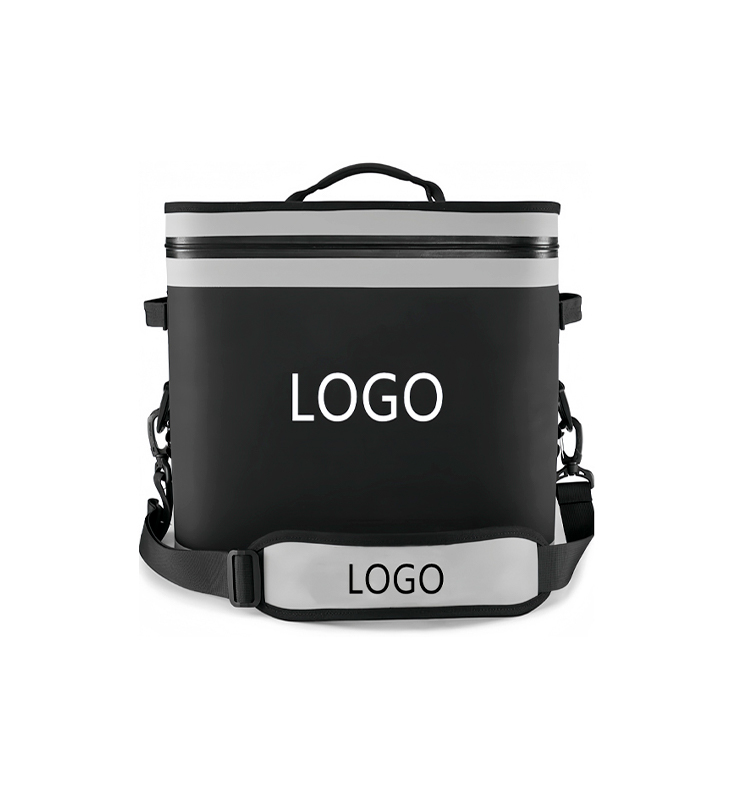
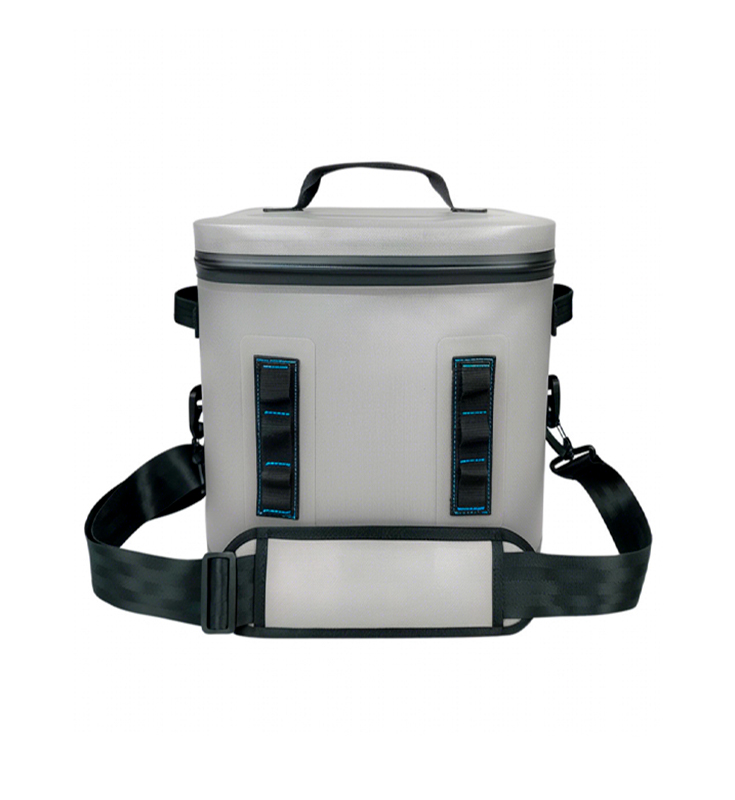
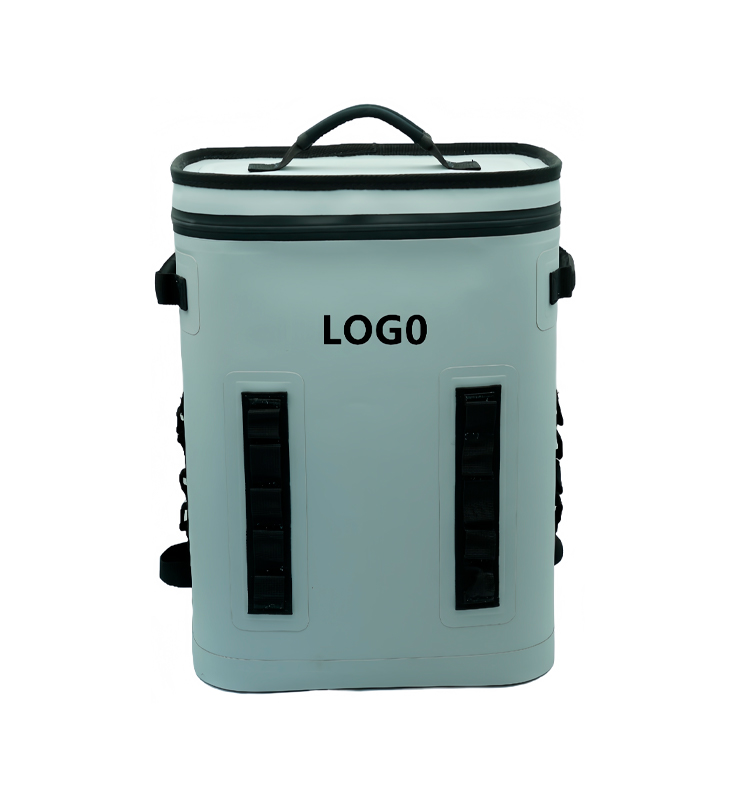
A square soft-sided cooler is a soft insulated container with a rectangular footprint, four vertical side walls, and a reinforced base that resists bulging under load. Unlike round or tapered designs, the square profile maximizes internal volume relative to external footprint.
This makes it significantly easier to fit into car trunks, boat storage compartments, and airplane overhead bins. Industry capacity tests show that a 50-liter square cooler uses roughly 20% less wasted floor space than a round cooler of the same volume.
The key structural components of a square soft-sided cooler include:
The structural requirements of a square soft-sided cooler determine whether the bag can hold its shape when fully loaded with ice and drinks. If the side walls bow inward, the insulation compresses and the effective volume drops.
The base is the most common point of failure. Without a rigid insert, the weight of ice pushes the bottom panel down and forces the walls inward, turning the square silhouette into a distorted bulge. A 3-5mm HDPE plate laminated between the outer fabric and the insulation is the industry-standard solution.
Leak resistance is entirely determined by the seam method. High-frequency (RF) welding is the preferred process for TPU materials because the heat and pressure create a homogeneous bond almost as strong as the base material. Ultrasonic and hot-air welding are also used for PVC and some TPU formulations. Sewn seams cannot be made waterproof and should only be used when the ice is held in a separate liner.
The zipper is the most expensive single component in a premium soft cooler. A waterproof zipper with a welded TPU face provides a high degree of water ingress protection and is essential if the bag will carry melted ice water. The zipper track must also be stiffened to prevent deformation when the bag is fully loaded.
The insulation package is the second half of the equation. A structurally sound cooler with poor insulation will still lose ice quickly, while a well-insulated cooler with weak seams will leak water and ruin the contents.
Closed-cell EPE foam dominates the soft cooler market because it is lightweight, waterproof, and thermally efficient. Typical densities range from 25 kg/m³ to 40 kg/m³, and wall thicknesses range from 8mm on budget bags to 25mm on high-end coolers.
The U-value of the wall is the best single predictor of ice retention. A wall made of 20mm closed-cell EPE foam with a welded TPU liner typically achieves a U-value of 0.6-0.8 W/m²K. Under ambient testing at 30°C, that translates to roughly 36-48 hours of continuous ice retention for a 30-liter cooler.
See our U-value insulation and cold retention testing guide for the full methodology behind ice retention measurements.
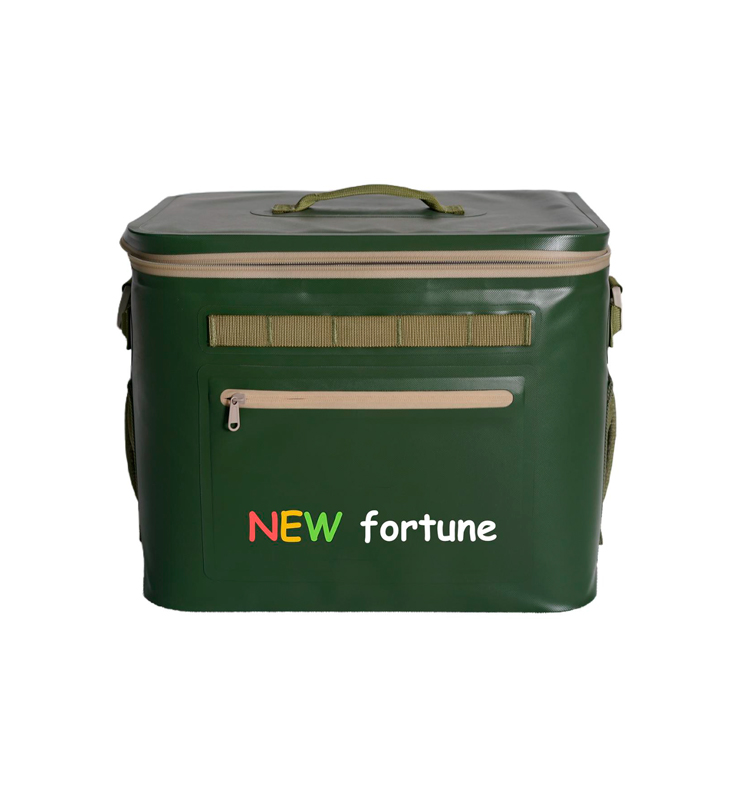 Foldable TPU Waterproof Soft Cooler for 40 CansThis 41x31x32cm cooler holds 40 cans and weighs only 1.85kg, making it portable for outdoor events. Its TPU airtight zipper and waterproof design ensure dryness in harsh conditions.View Product →
The largest heat losses in a square cooler occur at the seams. When foam panels are butted edge-to-edge, a thin thermal bridge forms at every corner. Premium manufacturers fold the foam into the seam or use corner insulation inserts to minimize these bridges.
In OEM production, seam failure and insulation compression account for the majority of field returns for square soft-sided coolers.
Selecting the right material is as important as selecting the right insulation. Each material offers a different balance of durability, waterproofing, and cost.
TPU is the most reliable material for high-performance square coolers. It remains flexible at low temperatures, resists puncture and abrasion, and requires no plasticizers that could raise food-safety concerns.
PVC is less expensive and easier to weld, but it becomes brittle at below-freezing temperatures and is more prone to creep and deformation under long-term load.
Oxford-wrapped coolers with a PVC coating are common in the camping market. They are affordable and lightweight, but the coating can crack and the sewn construction typically limits water resistance.
| Material | Ice Retention | Water Resistance | Puncture Resistance | Cost Level |
| TPU | Excellent (48h) | Excellent (IP67) | Excellent | High |
| PVC | Good (36h) | Good | Moderate | Medium |
| Oxford + PVC coating | Moderate (18h) | Low-Moderate | Low | Low |
For OEM production, TPU is the recommended choice when the target consumer is willing to pay a premium for performance and food safety. If the market is entry-level, an oxford shell with a welded TPU liner provides an acceptable balance of cost and reliability.
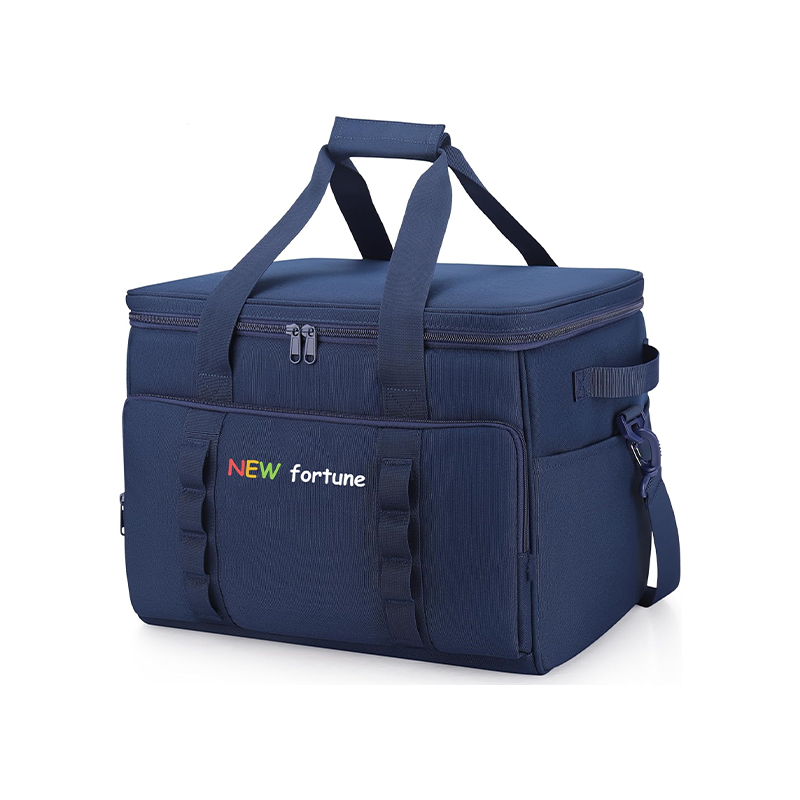 Lightweight Oxford Cloth Insulated Cooler Bag for HikingWeighing just 550g, this 40x31x29cm insulated bag offers practical cold retention for day trips. The waterproof zipper and EPE lining protect contents during outdoor activities.View Product →
When sourcing square soft-sided coolers from a manufacturer, the specifications you request should be backed by actual test data. A capable factory will be able to provide these four items without hesitation:
These four tests cover the essential risk areas: zipper and seam integrity, insulation performance, structural strength, and material safety. A square soft-sided cooler that passes all four is unlikely to fail in the field.
A well-built square soft-sided cooler with 20mm closed-cell foam and a welded TPU liner will keep ice for 36-48 hours at 30°C ambient, but this depends heavily on the starting ice-to-content ratio.
Not every square soft-sided cooler is waterproof. Only models with welded TPU liners and waterproof zippers are truly leak-resistant. Sewn oxford bags require a separate liner for ice.
TPU is the best material for premium coolers because of its low-temperature flexibility, puncture resistance, and food-safety profile.
For trips under 12 hours, 8-10mm foam is sufficient. For a 24-48 hour ice retention target, specify 15-20mm of closed-cell EPE foam.
Your email address will not be published. Required fields are marked *

* Your email is safe with us, we don't spam.

Professional R & D and manufacturing of outdoor sports, cycling, fishing, business, travelling sewing, high-frequency stamping series of luggage enterprises
E-mail: christine@fudabags.com
Phone: +86-13819351116
Add: No.2288 Xinggong Road, Pinghu City, Jiaxing City, Zhejiang Province, China
Copyright © 2025 by New Fuda Luggages & Bags Co., Ltd. Rights Reserved. Privacy Custom Durable Outdoor Travel Bag Manufacturers


 English
 Français
 Español