


Get A Quote

Content
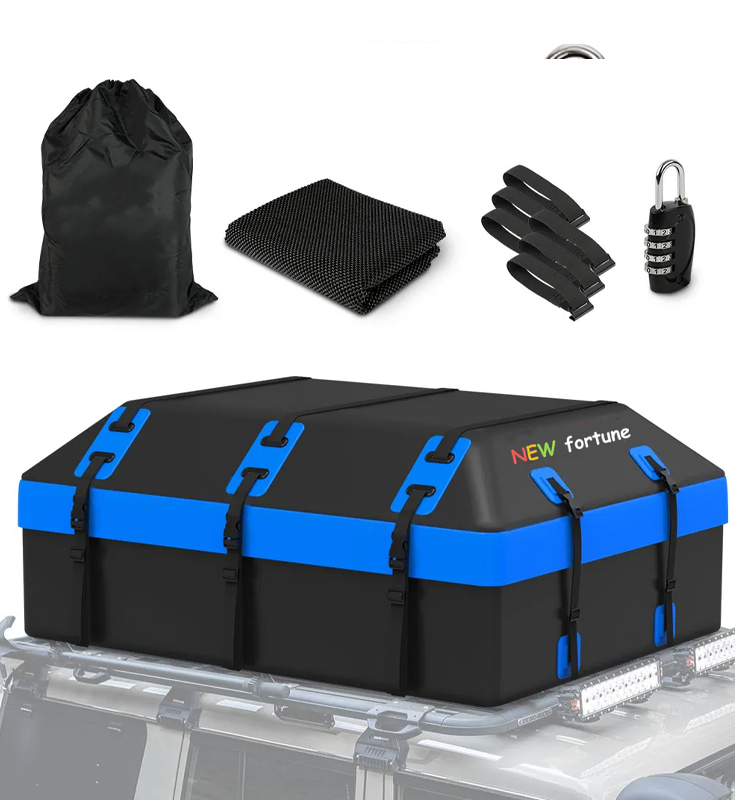
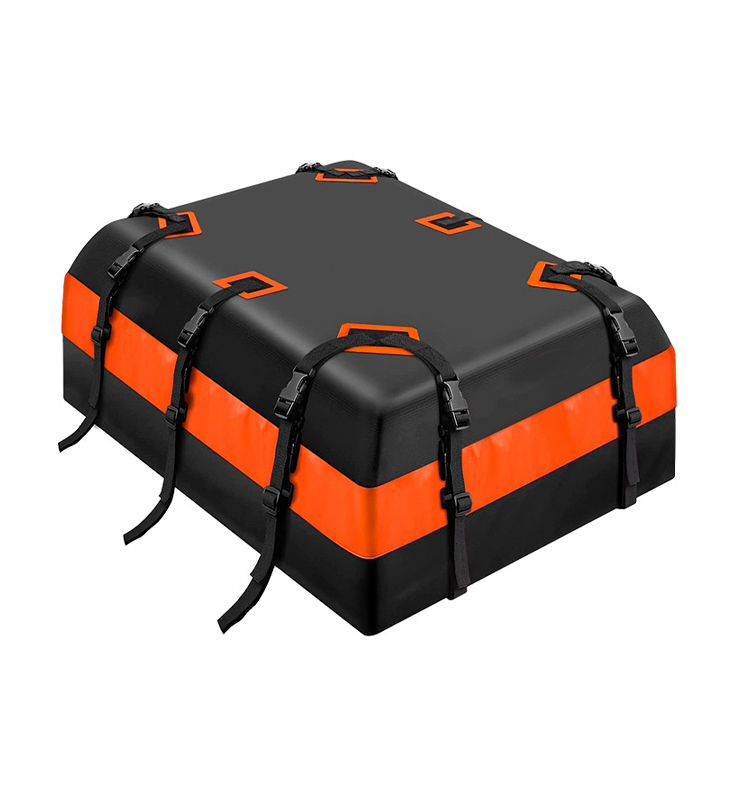
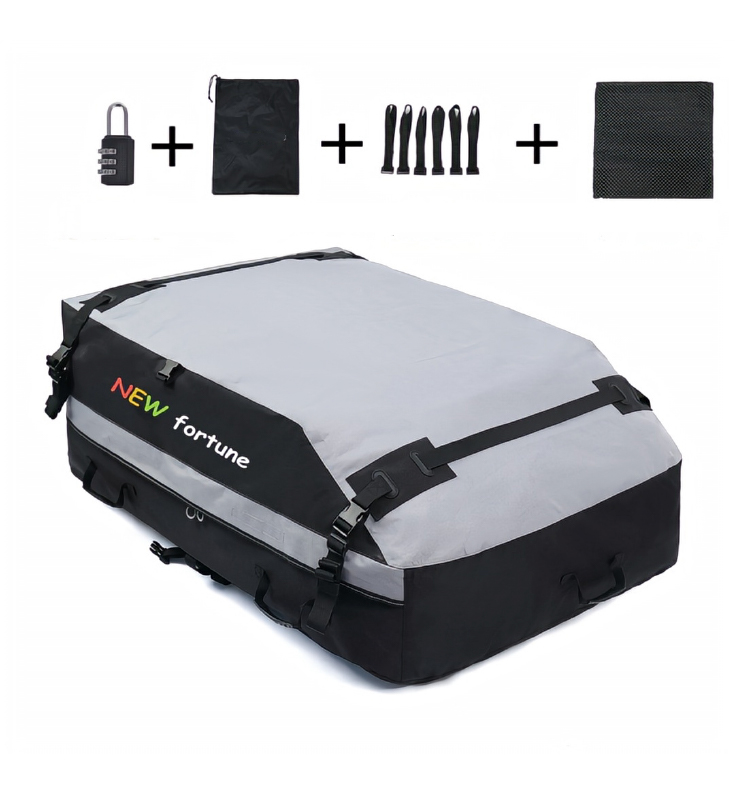
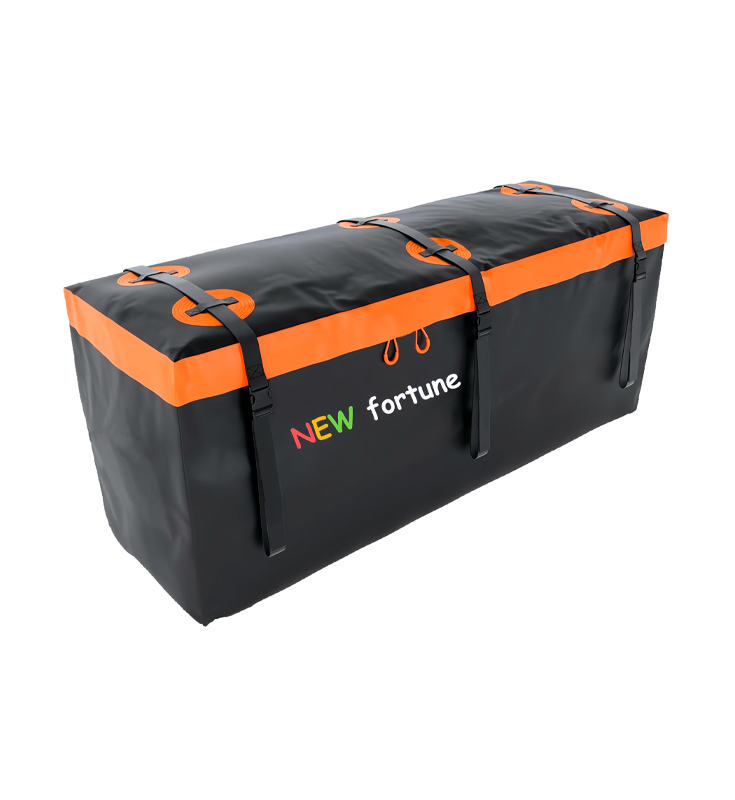
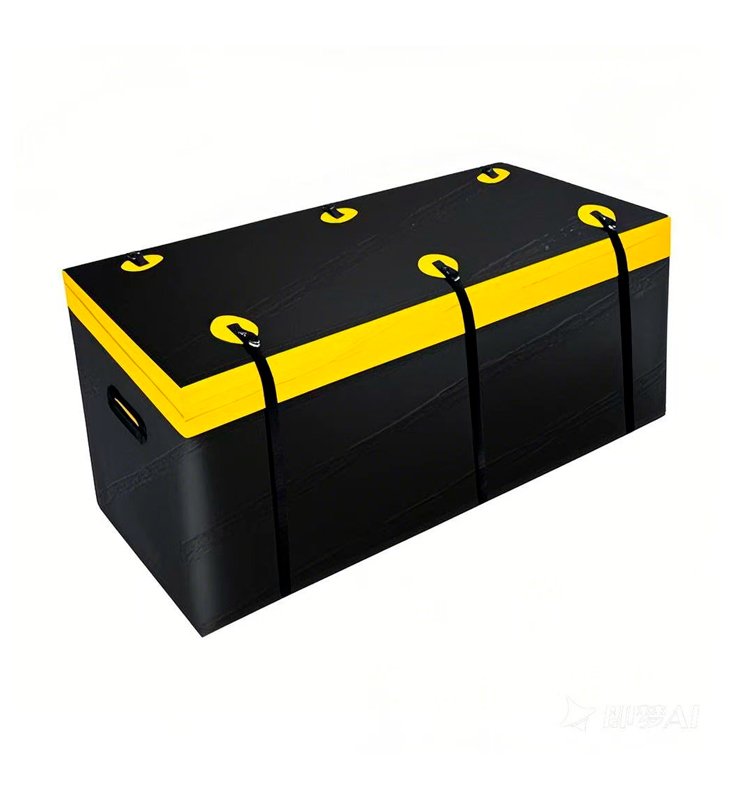
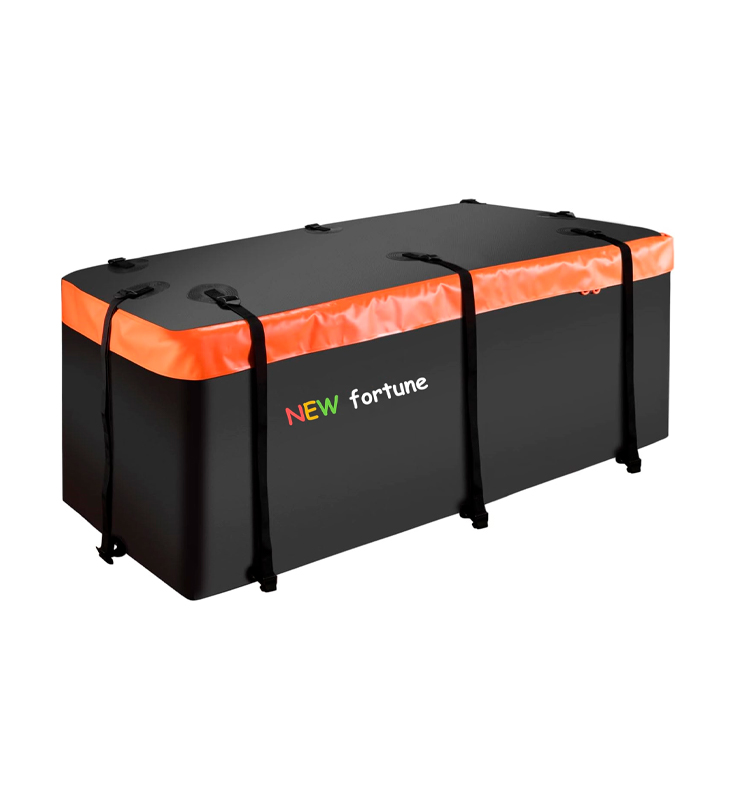
Cargo carrier bags are soft-shell roof storage solutions designed to mount on roof racks, crossbars, or hitch-mounted cargo platforms. Built from laminated PVC, 600D polyester, or TPU-coated nylon, they expand usable vehicle storage capacity by 15 to 20 cubic feet without the cost or weight penalty of hard-shell roof boxes — making them the practical choice for family road trips, ski weekends, and overlanding adventures.
Quality cargo carrier bags are water-resistant to waterproof, depending on construction grade. Entry-level bags use 210D polyester with a PU coating — adequate for light rain and morning dew. Mid-range and premium bags use 600D TPU-laminated fabric with welded seams and roll-top or zipper-sealed closures rated to IPX4 (splash-proof from any direction) or IPX6 (powerful water jet resistant). For extended outdoor travel, look specifically for bags with sealed seams rather than sewn seams, as needle holes in stitched seams are the primary water ingress point.
Premium cargo carrier bags from brands including RIGHTLINE GEAR, RoofBag, and Thule feature double-layer base panels and integrated waterproof skid mats that protect the bag floor even when standing water pools on the roof during heavy rain. For multi-day camping or coastal driving, an additional cargo bag rain cover adds a secondary waterproofing layer at minimal cost.
The safe weight capacity of cargo carrier bags is determined not by the bag itself, but by the roof rack system it mounts on. Most factory-installed roof rails have a dynamic load rating (vehicle in motion) of 100 to 165 pounds. Aftermarket crossbar systems from Thule, Yakima, and Rhino-Rack typically rate between 165 and 220 pounds dynamic load. The bag's own fabric and attachment straps are rated well above these limits — typically 330 to 440 pounds static — so the rack is always the limiting factor.
Always check your vehicle owner's manual for the roof dynamic load rating before loading any cargo carrier. Exceeding it voids vehicle warranty coverage for roof and body damage.
| Rack System Type | Typical Dynamic Load Rating | Recommended Max Bag Load |
| Factory roof rails only | 100–130 lbs | 75–100 lbs |
| Factory crossbars fitted | 130–165 lbs | 100–130 lbs |
| Aftermarket crossbars (Thule/Yakima) | 165–220 lbs | 130–165 lbs |
| Hitch-mounted cargo platform | 300–500 lbs | Up to 150 lbs (bag-limited) |
Cargo carrier bags and hard-shell roof boxes serve the same purpose but differ significantly in cost, storage, aerodynamics, and cargo protection. The right choice depends on trip frequency, cargo type, and budget.
Correct installation is the single most important factor for safe, damage-free use of cargo carrier bags at highway speeds. Follow this sequence every time:
Cargo carrier bags are engineered and tested for sustained highway use when correctly installed and within load limits. Premium models undergo wind tunnel testing at speeds up to 80 mph (130 km/h) with full loads. The primary safety variables are strap integrity, load distribution, and speed compliance with the vehicle manufacturer's roof load rating.
Real-world failure incidents trace almost exclusively to under-tensioned straps, overloading, or using bags on vehicles without crossbars (rail-only mounting). For trips exceeding four hours or involving highway speeds above 65 mph, inspect strap tension every 100 miles — vibration and wind load cause straps to loosen progressively over time.
Keep heaviest items centered and low. Avoid loading more than 60% of weight toward the front — it increases aerodynamic lift forces on the bag leading edge at speed.
Most manufacturers recommend a maximum of 75 mph (120 km/h) with a fully loaded cargo bag. Reduce speed in crosswinds above 30 mph — lateral wind load on the bag side creates torsional stress on rack crossbars.
Stop and recheck strap tension after the first 30 minutes of highway driving, then every 100 miles. Nylon straps stretch slightly under sustained load and temperature change.
In heavy rain, reduce speed to 60 mph maximum. Water-saturated fabric adds 5–10 lbs to total load weight and increases aerodynamic drag, raising strain on strap attachment points.
Your email address will not be published. Required fields are marked *
* Your email is safe with us, we don't spam.

Professional R & D and manufacturing of outdoor sports, cycling, fishing, business, travelling sewing, high-frequency stamping series of luggage enterprises
E-mail: christine@fudabags.com
Phone: +86-13819351116
Add: No.2288 Xinggong Road, Pinghu City, Jiaxing City, Zhejiang Province, China
Copyright © 2025 by New Fuda Luggages & Bags Co., Ltd. Rights Reserved. Privacy Custom Durable Outdoor Travel Bag Manufacturers


 English
 Français
 Español