


Get A Quote

Content
Choosing between a Waterproof Roof Top Cargo Bag and a hard roof cargo box comes down to one question: does your trip need flexible, foldable storage or a permanent, rigid enclosure. Both product types exist to solve the same core problem, expanding a vehicle's carrying capacity, but they are built on opposite design philosophies and suit different travelers.
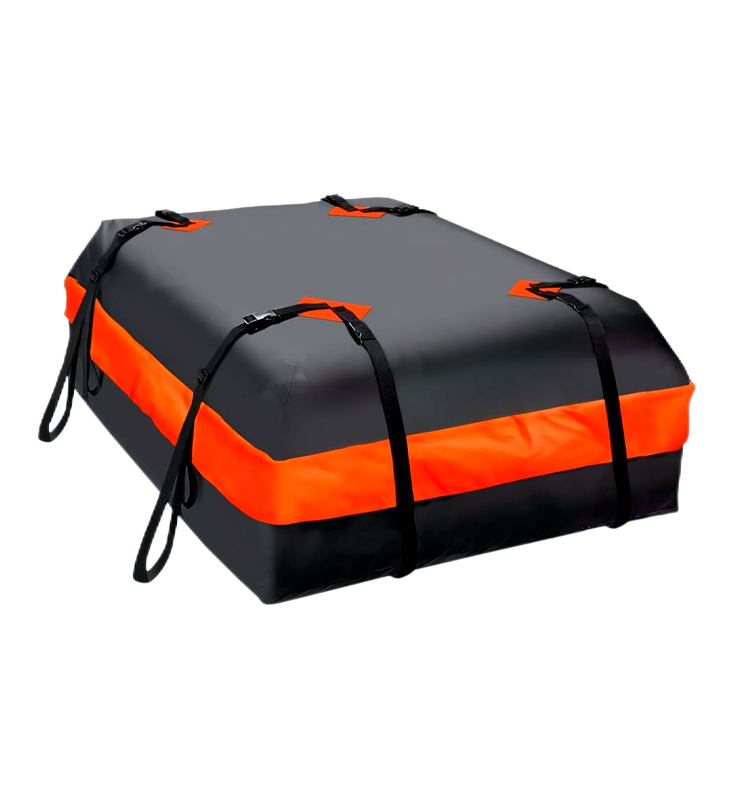
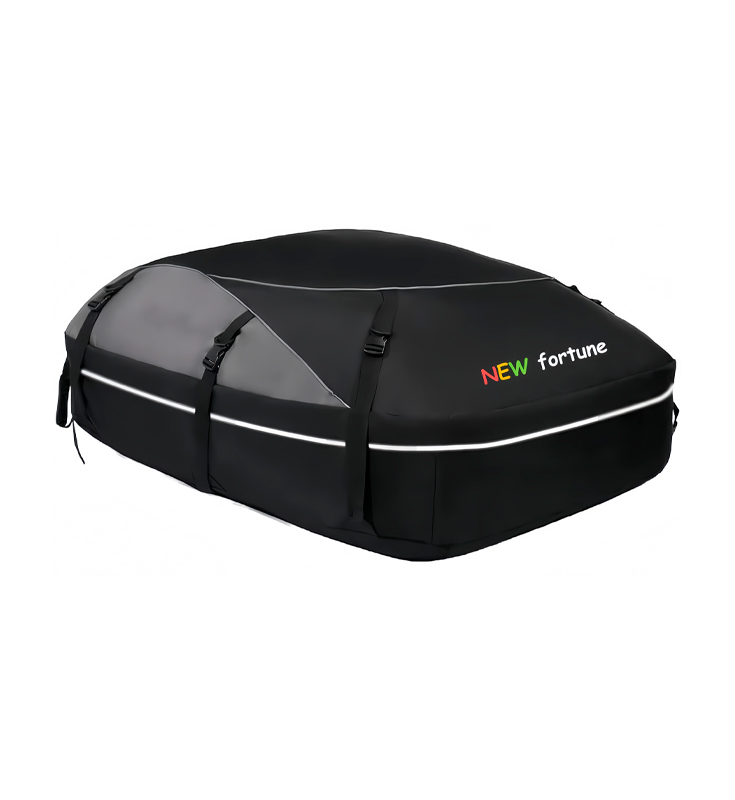
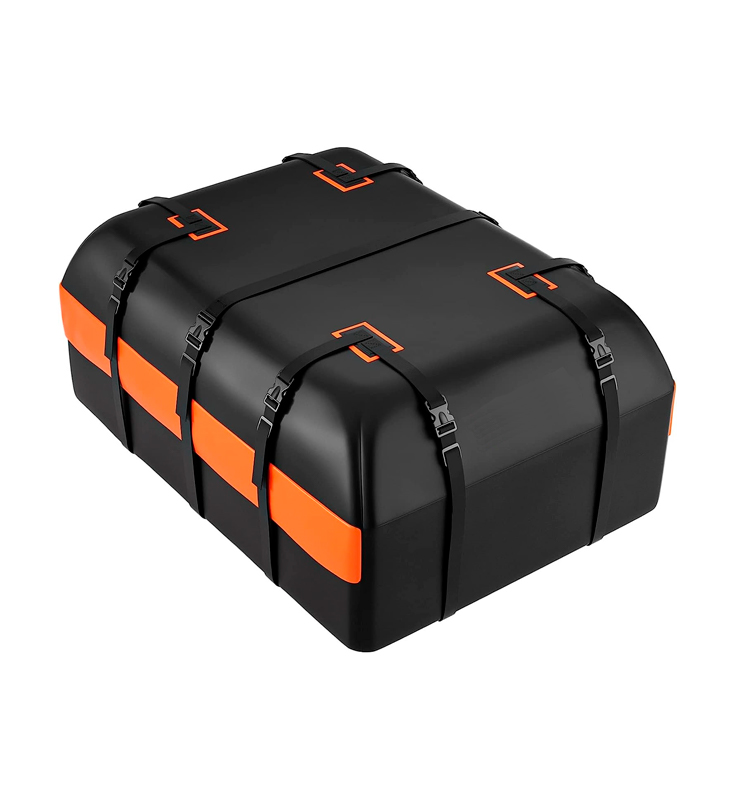
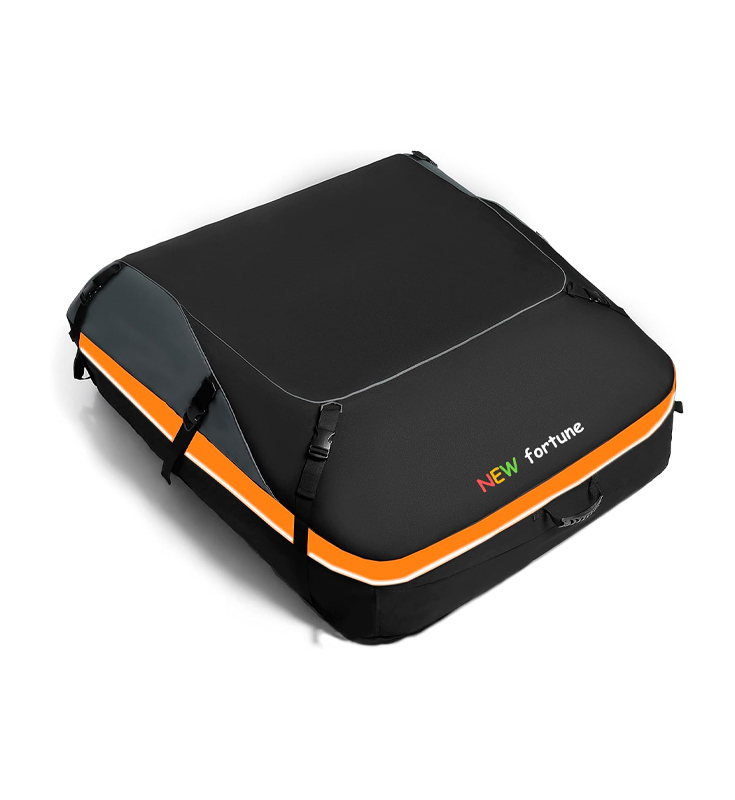
A roof top cargo bag is a soft-sided storage solution built from flexible, waterproof and durable materials, designed to strap directly onto a roof rack or crossbars for additional vehicle storage. A hard roof cargo box is the opposite in construction: a rigid shell with a fixed shape that bolts onto crossbars to create enclosed rooftop storage.
Both categories exist to expand how much gear a vehicle can carry, but the design intent diverges sharply. One prioritizes adaptability and easy storage between trips; the other prioritizes structure, permanence and organized interior space.
Rooftop cargo carriers, in both bag and box form, are seeing rising demand as road trips, camping, and long-distance family travel become more frequent. Vehicles with limited trunk space simply cannot accommodate a full family's luggage, sports equipment, or camping gear without additional storage.
This growth is visible across several use cases: family travel where interior seating leaves little room for bags, camping trips that require tents and coolers alongside personal luggage, long-distance journeys where trunk space fills up fast, and outdoor adventures that demand flexible, weather-resistant equipment storage.
A rooftop cargo carrier does not change what a vehicle can seat. It changes what a vehicle can carry.
The clearest way to compare a soft roof cargo bag against a hard cargo box is across three practical dimensions: structure, storage flexibility, and installation convenience.
Roof Cargo Bag
Hard Cargo Box
A well-built roof cargo bag earns its place in a road trip kit through four practical strengths.
| Advantage | What It Means for Travelers |
| Waterproof Protection | Shields luggage from rain and harsh outdoor travel conditions |
| Flexible Storage Capacity | Accommodates different cargo sizes and varying trip needs |
| Easy Storage | Folds compactly after use, saving garage or closet space |
| Lightweight Design | Simplifies transportation and reduces handling difficulty |
Hard cargo boxes offer a different value proposition, built around rigid protection, an organized storage interior, and in many cases aerodynamic shell designs that reduce wind resistance at highway speed. This combination makes them well suited to users who need a fixed, semi-permanent storage solution or who travel frequently enough to justify a dedicated installation.
A waterproof cargo carrier's real-world performance depends on how it is engineered, not just what category it falls into. A quality roof cargo bag relies on waterproof fabrics, sealed seams, and water-resistant zippers to keep contents dry. A hard cargo box relies on its solid outer shell and enclosed structure to block moisture entirely.
In practice, actual waterproof performance in either category comes down to material quality, sealing design, and manufacturing process, rather than whether the product is soft-sided or rigid.
Seams
Sealed construction determines bag-level waterproofing
Shell
Enclosed structure determines box-level waterproofing
Process
Manufacturing quality determines long-term reliability
For camping and occasional travel, a waterproof roof top cargo bag is generally the better fit because of its flexible capacity, easy storage between trips, and convenient transportation when folded down. For frequent, long-distance travel, a hard cargo box tends to be the stronger choice because of its fixed structure and suitability for regular, ongoing use.
Selecting between a soft roof cargo carrier and a hard box should be based on real usage patterns rather than brand preference. Before buying a Waterproof Roof Top Cargo Bag or a hard box, run through these factors.
Material quality directly determines a cargo bag's waterproof performance, abrasion resistance, UV resistance, and overall service life. Buyers evaluating durable roof cargo bags should look closely at fabric strength, coating technology, stitching quality, and zipper durability, since any weak point in these areas shortens the product's usable lifespan on the road.
The next generation of rooftop cargo carriers is trending toward lighter materials, improved waterproof technologies, and multifunctional designs that adapt to more than one type of trip. Expect continued growth in customized storage solutions and more compact folding structures that make soft cargo carriers even easier to store between uses.
 |
 |
Neither is universally better. Bags suit flexible, occasional use, while boxes suit frequent travelers who want a fixed, organized storage structure.
Waterproof performance depends on fabric quality, seam sealing, and zipper design rather than the bag category alone.
Most roof cargo bags are designed to strap onto crossbars or a roof rack for secure, stable transport.
Capacity varies by model, and soft-sided bags typically expand or contract to match the cargo being loaded.
A cargo bag is generally better for camping due to its flexible capacity and easy post-trip storage.
Regularly clean and dry the bag before folding it away, and inspect seams and zippers for wear before each trip.
Your email address will not be published. Required fields are marked *

* Your email is safe with us, we don't spam.

Professional R & D and manufacturing of outdoor sports, cycling, fishing, business, travelling sewing, high-frequency stamping series of luggage enterprises
E-mail: christine@fudabags.com
Phone: +86-13819351116
Add: No.2288 Xinggong Road, Pinghu City, Jiaxing City, Zhejiang Province, China
Copyright © 2025 by New Fuda Luggages & Bags Co., Ltd. Rights Reserved. Privacy Custom Durable Outdoor Travel Bag Manufacturers


 English
 Français
 Español