


Get A Quote

Content
A small hatchback and a week of camping gear rarely fit together without help. That is the gap a roof top cargo carrier bag is built to close — extra storage strapped to the roof instead of stacked awkwardly in the back seat. This guide covers how these bags work, what separates a good one from a flimsy one, and how they compare to a hard roof box for real road trips.
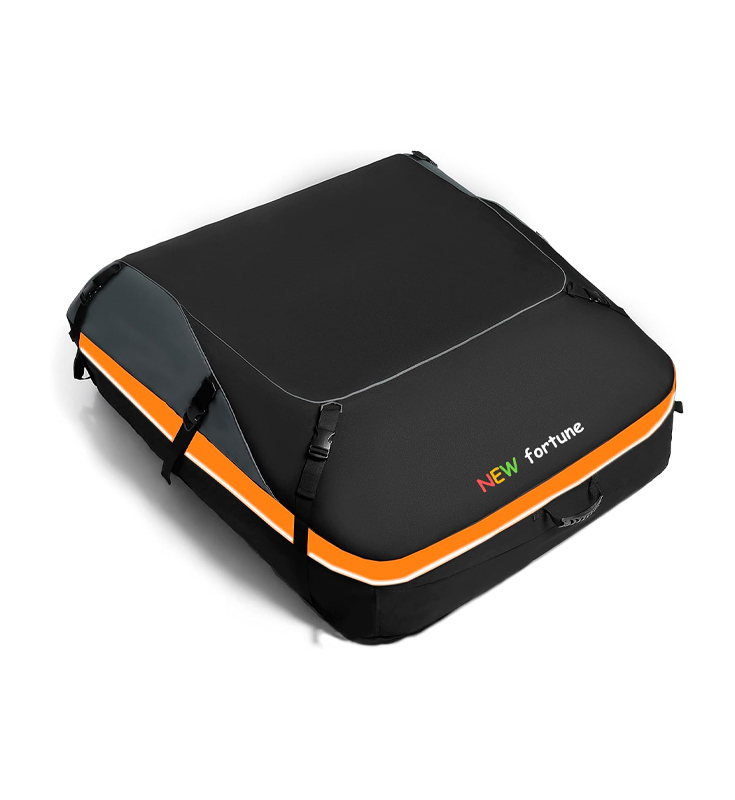
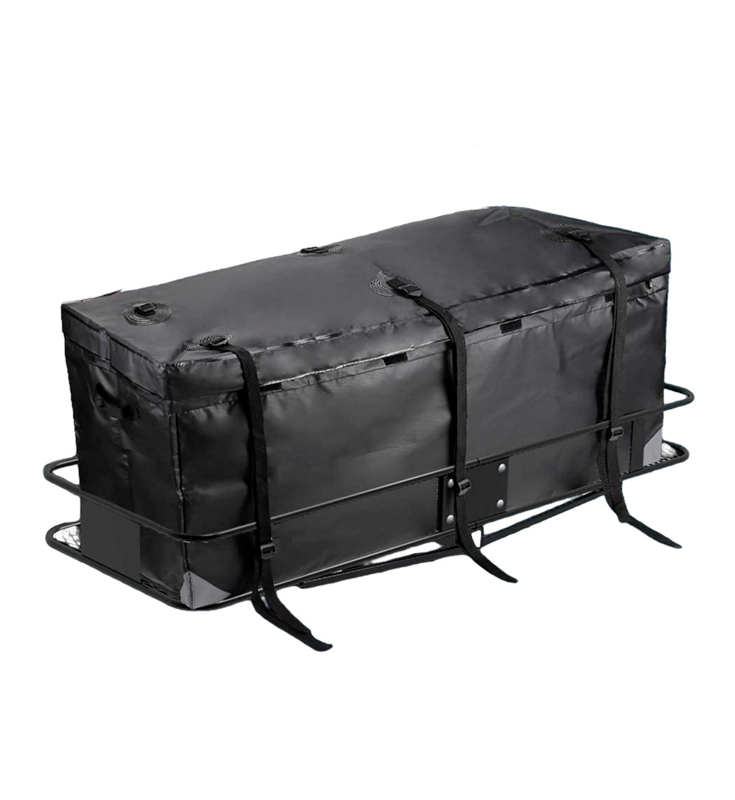
A roof top cargo carrier bag is a large, flexible storage pouch made from weather-resistant fabric that straps directly onto a vehicle's roof, roof rack, or crossbars. Unlike a hard-shell box, it folds flat when empty, which is the core idea behind the car roof storage bag system: extra space on demand, stored away the rest of the year.
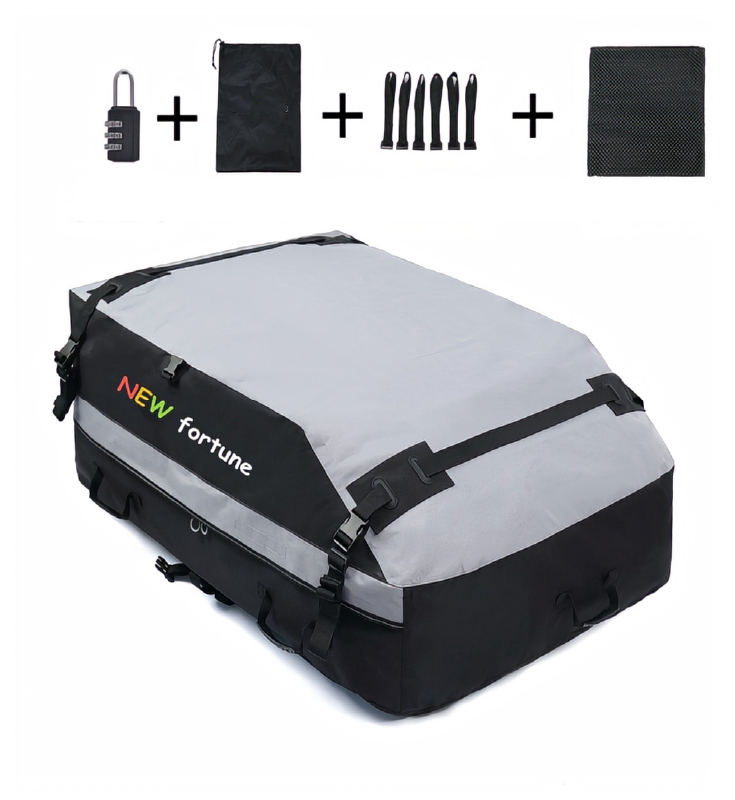
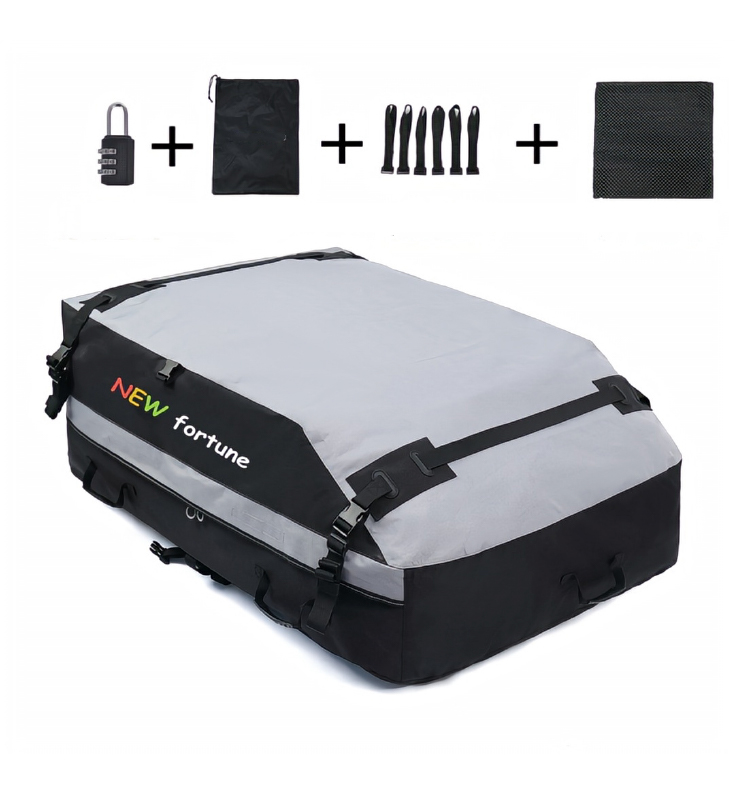
As a soft roof cargo carrier, it works through a combination of tie-down straps, buckles, and sometimes door-anchored hooks that hold it firmly against the roofline while driving. A rooftop luggage bag for cars typically zips open along one long seam, giving access to the full interior without needing to unbuckle the whole unit each time.
What a roof top cargo carrier bag is used for comes down to one thing: freeing up interior space when a trip's gear exceeds the trunk. How rooftop cargo bags attach to cars varies slightly by model, but the underlying vehicle roof storage solution is the same — spread the load, strap it down at multiple points, and keep weight centered over the roofline. The difference between a roof box and a roof cargo bag mostly comes down to rigidity: one is a fixed shell, the other folds away when not in use.
Not every rooftop bag is built the same way, and the differences matter once weather and road conditions get involved.
| Type | Key Trait | Best Suited For |
| Waterproof roof cargo bag | Sealed seams, weatherproof shell | Rain-prone routes, long trips |
| Soft shell roof bag | Flexible fabric body | Irregularly shaped gear |
| Heavy duty rooftop luggage carrier | Reinforced base and straps | Frequent, heavier loads |
| Folding car roof storage bag | Collapses flat for storage | Occasional use, limited garage space |
| PVC roof cargo carrier | Rugged, wipe-clean material | Muddy or sandy outdoor gear |
Types of roof top cargo carrier bags and differences between them usually start with the shell material and how well it sheds water. A waterproof vs non waterproof rooftop cargo bags comparison matters most on longer trips, where a single downpour can otherwise soak everything inside. In a soft roof bag vs hard roof box comparison, the bag wins on storage and price, while the box wins on rigidity and long-term durability.
A roof cargo bag earns its keep most clearly on road trips and camping trips, where tents, sleeping bags, and coolers quickly overwhelm a standard trunk. As a family car travel luggage solution, it lets a smaller vehicle carry the same load as a larger one without needing to trade the car in. Outdoor sports equipment transport — skis, bikes, paddleboards — also benefits from the extra clearance a rooftop bag creates inside the cabin.
How rooftop bags help increase car storage space is simple: they move bulky, lightweight items out of the passenger compartment and onto unused roof area. Travel luggage solutions for small cars often lean on this approach specifically because smaller vehicles have the least trunk space to spare in the first place.
A waterproof zipper system bag with sealed seams keeps contents dry through sustained rain.
UV resistant outdoor fabric prevents the shell from cracking or fading after repeated sun exposure.
An aerodynamic roof storage design reduces drag and wind noise at highway speed.
Tear resistant material bag construction holds up against buckles, roof rails, and rough handling.
A secure strap mounting system keeps the bag centered and stable through turns and braking.
How waterproof roof top cargo carrier bags actually are depends heavily on seam sealing rather than the base fabric alone, since most leaks start at stitching rather than the material itself. Key features of durable rooftop luggage bags typically combine reinforced base panels with multiple strap anchor points. How to prevent wind noise with roof cargo bags usually comes down to mounting position and keeping straps taut, since a loose bag flaps and generates far more noise than a properly secured one.
How to install a roof top cargo carrier bag safely starts with distributing weight evenly rather than piling everything toward one side. Whether roof cargo bags need roof rails depends on the model — many use door-anchored straps instead, which work well on vehicles without factory rails. How to secure a rooftop luggage bag for highway travel ultimately comes down to strap tension and a final visual check before merging onto faster roads.
Folds flat for storage, lower cost, and easier to fit on vehicles without permanent roof rails.
Advantages of soft rooftop cargo bags include lighter weight and no impact on garage clearance when parked.
Fixed shape, higher rigidity, and generally better long-term weatherproofing for frequent use.
Storage capacity comparison roof cargo systems usually favors boxes for consistent, boxy loads.
In a roof box vs roof bag comparison, the deciding factor is usually frequency of use: occasional trips favor a bag's low storage footprint, while frequent travelers often prefer a box's convenience. A hard shell vs soft shell cargo system also differs in aerodynamics — roof storage solutions with a rigid, tapered shape tend to cut wind resistance more consistently than a soft bag's flexible profile. Is a cargo bag safe for long distance travel? Yes, provided it is rated for highway speeds and properly secured, though the cost difference between roof cargo products usually favors the bag for buyers who only need extra space a few times a year.
Soft-sided bags trade some rigidity and weatherproofing for flexibility and lower cost — understanding the trade-off before a long trip prevents surprises on the road.
Wind resistance issues with roof bags become noticeable at higher highway speeds, particularly with taller or overstuffed loads. Waterproof leakage potential exists mainly at seams and zippers rather than across the main fabric panel, so a heavy, sustained downpour can occasionally find its way through poorly sealed stitching. Installation safety risks increase when straps are rushed or left loose, which is why a re-check after the first stretch of driving matters.
Load capacity limitation is another real constraint — soft bags are not designed to carry the same weight as a structural roof box, and exceeding the rated limit strains both the bag and the mounting straps. Noise at high speed with roof cargo is common with underinflated or loosely packed bags, since looser material catches more wind. Disadvantages of roof top cargo carrier bags rarely outweigh the benefits for occasional use, but do roof cargo bags leak in heavy rain and are rooftop bags safe on highways remain fair questions worth answering honestly before relying on one for a long trip.
Rooftop storage is trending lighter, smarter, and more reusable — less a one-trip accessory and more a standard part of how families pack for travel.
The future of rooftop cargo storage products points toward gear that folds smaller, weighs less, and survives more seasons of use. Trends in car travel luggage solutions increasingly favor multi-vehicle compatibility over single-fit designs. Innovation in soft roof cargo systems is likely to keep narrowing the gap with hard roof boxes on weatherproofing, without losing the flexibility that makes bags easy to store when not in use.
 |
 |
A weather-resistant storage bag that straps to a vehicle's roof or roof rack to carry extra luggage or gear.
Yes, when properly secured, weight-balanced, and used within their rated load limit.
Most are rated for normal highway speeds, though manufacturer speed limits should always be checked and followed.
Properly fitted straps and anti-slip mats minimize contact wear, though loose straps can cause friction over time.
Many are weather-resistant, but only fully sealed-seam models are truly waterproof in sustained rain.
Capacity varies by model and by the vehicle's own roof load rating, so both limits should be checked together.
Your email address will not be published. Required fields are marked *
* Your email is safe with us, we don't spam.

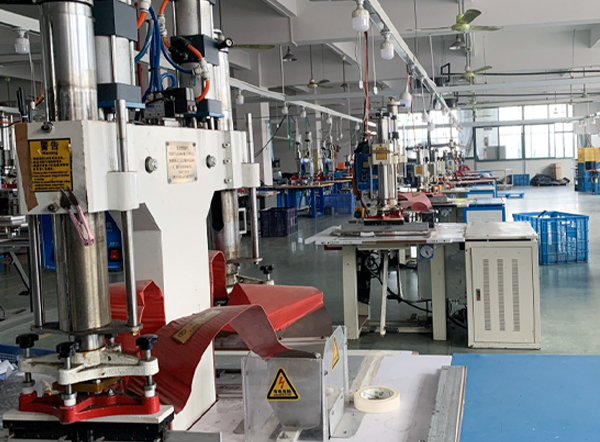
Professional R & D and manufacturing of outdoor sports, cycling, fishing, business, travelling sewing, high-frequency stamping series of luggage enterprises
E-mail: christine@fudabags.com
Phone: +86-13819351116
Add: No.2288 Xinggong Road, Pinghu City, Jiaxing City, Zhejiang Province, China
Copyright © 2025 by New Fuda Luggages & Bags Co., Ltd. Rights Reserved. Privacy Custom Durable Outdoor Travel Bag Manufacturers


 English
 Français
 Español