


Get A Quote

Content
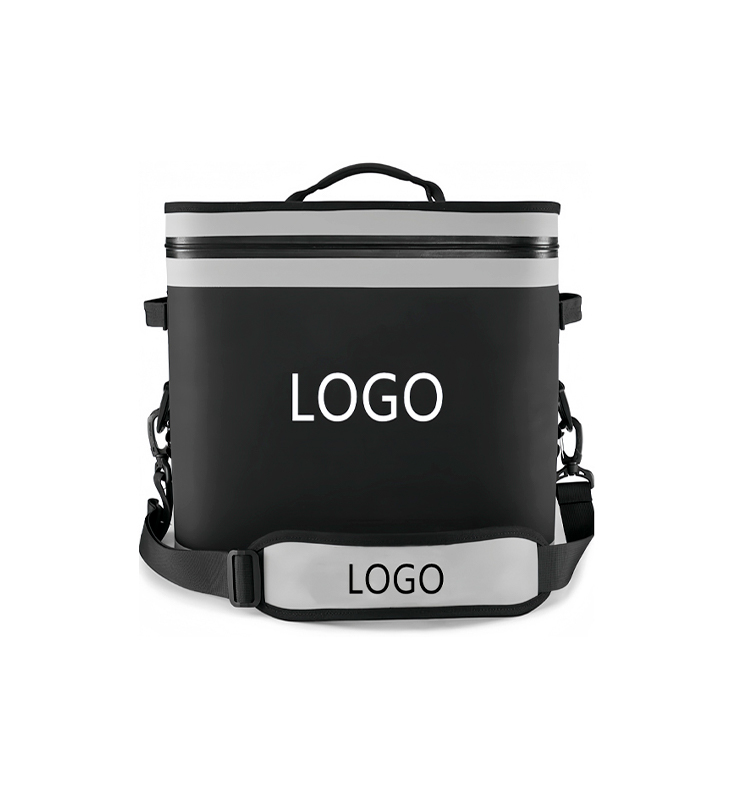
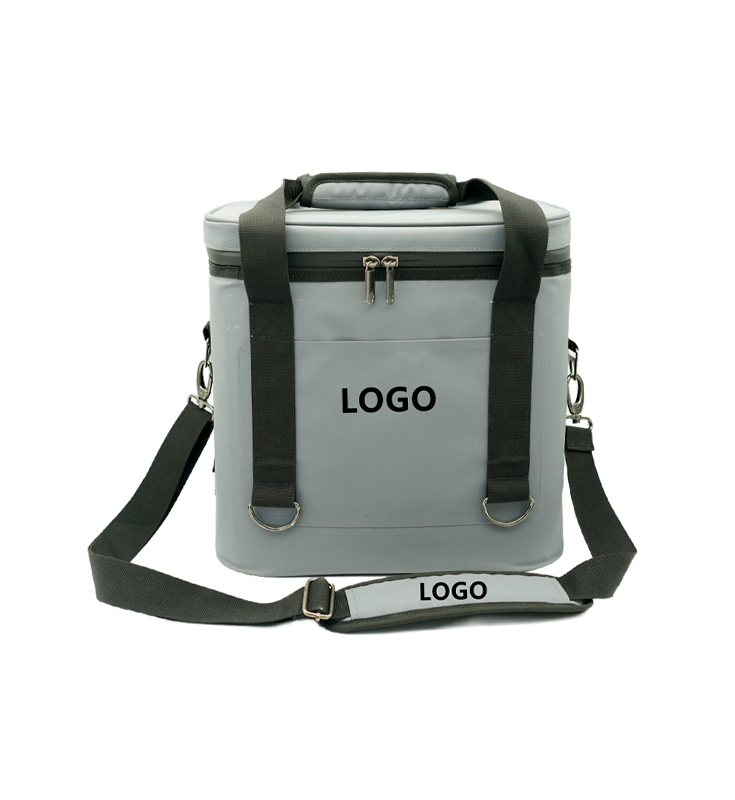
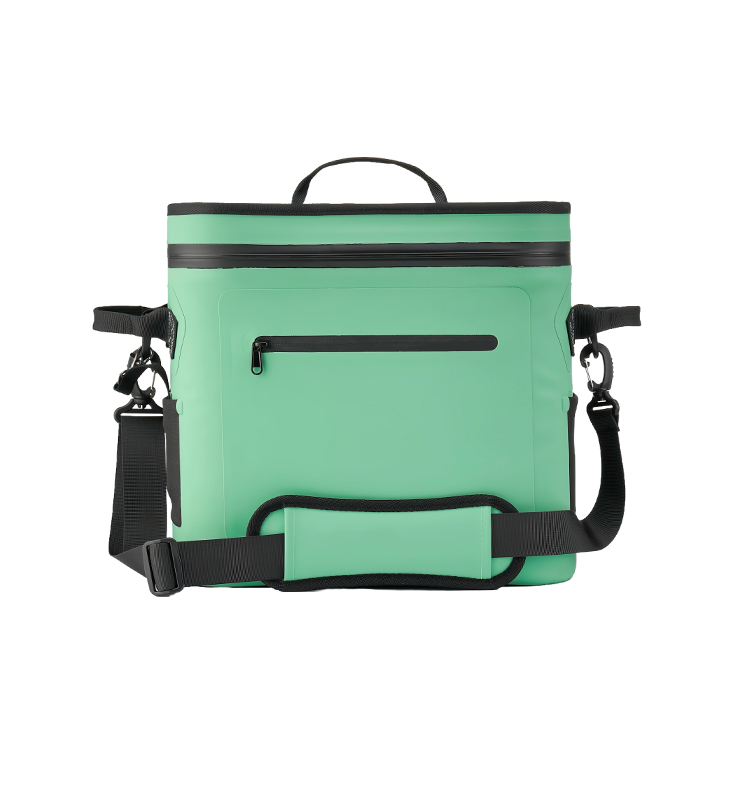
The short answer is a confident yes — provided you choose one built with a genuine TPU (thermoplastic polyurethane) liner rather than cheaper PEVA or thin foam alternatives. The material difference is the single biggest factor in real-world performance.
Several factors determine how well a soft cooler performs in practice:
| Feature | TPU Soft Cooler | Hard-Sided Cooler |
| Weight (20 qt) | 2–4 lbs | 10–18 lbs |
| Ice Retention | 24–36 hrs | 48–72+ hrs |
| Flexibility | Folds flat when empty | Fixed shape always |
| Carry Options | Shoulder, backpack, tote | Handle or wheels only |
| Durability | High with TPU liner | Very high |
| Price Range | $30–$120 | $50–$400+ |
If you are hiking, commuting, or flying with carry-on luggage, a soft cooler is the practical winner every time. For a week-long camping base camp where you never move the cooler, a hard shell earns its keep.
Leaking is the number-one complaint about budget soft coolers — and it is almost always a liner problem, not a design problem. TPU is inherently waterproof; cheaper alternatives like PEVA (polyethylene vinyl acetate) are only water-resistant and will eventually weep moisture through their seams after repeated ice cycles.
Low-grade PEVA or EVA liners with stitched (not welded) seams allow water to seep through needle holes over time. Zipper failure — particularly on coolers without a water-resistant or waterproof zipper tape — is the other common culprit. Ice melt water under pressure, especially during transport, finds any weak point in seconds.
Look for heat-welded or RF-welded interior seams rather than sewn seams on the TPU liner. A cold-weld bond is literally fused plastic with zero needle holes. Pair that with a zipper rated IPX5 or higher and you have a genuinely leakproof system that can be fully submerged without letting a drop in or out.
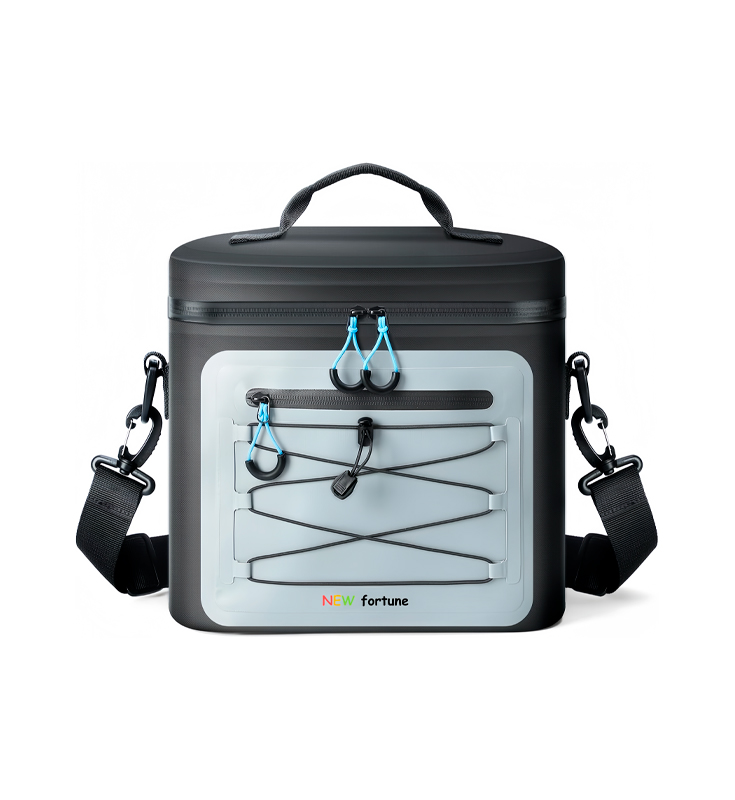
A reliable TPU portable soft cooler with welded seams can be carried on its side in a car trunk full of groceries without leaving a single wet spot — something no PEVA cooler can reliably claim after even one long trip.
Proper cleaning extends the lifespan of both the TPU liner and the outer shell fabric dramatically. Done wrong, you risk delaminating the liner, destroying the zipper's water-resistance treatment, or breeding mold in trapped moisture — all of which are easy to avoid.
Remove all food and ice within a few hours of use. Rinse the interior with cold water to flush loose debris before anything has a chance to stick or stain.
Mix a small amount of dish soap — a teaspoon in a quart of warm water is sufficient — and wipe down all interior surfaces with a soft sponge or microfiber cloth. Pay extra attention to zipper tracks where food particles accumulate.
For persistent fish, meat, or dairy odors, mix one tablespoon of baking soda with a cup of warm water and wipe down the interior. Alternatively, a 50/50 white vinegar and water solution neutralizes most biological odors without damaging the TPU surface.
Rinse until no soap residue remains. Prop the lid or zipper fully open and allow the cooler to air dry in a ventilated area for at least 4–6 hours. Never seal a damp cooler — that is how mold colonies start, often invisibly in the foam insulation layer.
After cleaning, run a small amount of zipper lubricant or beeswax along the zipper teeth. This keeps the water-resistance treatment intact and prevents the zipper from stiffening or corroding after salt water or mineral-rich ice exposure.
Not every soft cooler labeled "TPU" is built equally. The thickness of the TPU layer, the quality of the foam used beneath it, the hardware on straps and zippers, and the density of the outer shell fabric all interact to determine whether a cooler lasts one season or a decade.
| Specification | Budget Tier | Mid Range | Premium |
| Liner Material | PEVA / thin EVA | TPU 0.3 mm | TPU 0.5 mm+ |
| Seam Construction | Sewn | Welded | RF-welded double seal |
| Insulation Depth | 0.25 in foam | 0.75 in foam | 1.25–1.5 in foam |
| Ice Retention | 8–12 hrs | 18–24 hrs | 30–48 hrs |
| Zipper Rating | Unrated | Water resistant | IPX5 waterproof |
A soft cooler is not a universal replacement for hard-sided units, but in these scenarios it is the superior tool:
Lightweight enough to carry over sand or pack into a kayak hatch. TPU means no worries about a wave of sand and saltwater destroying the liner.
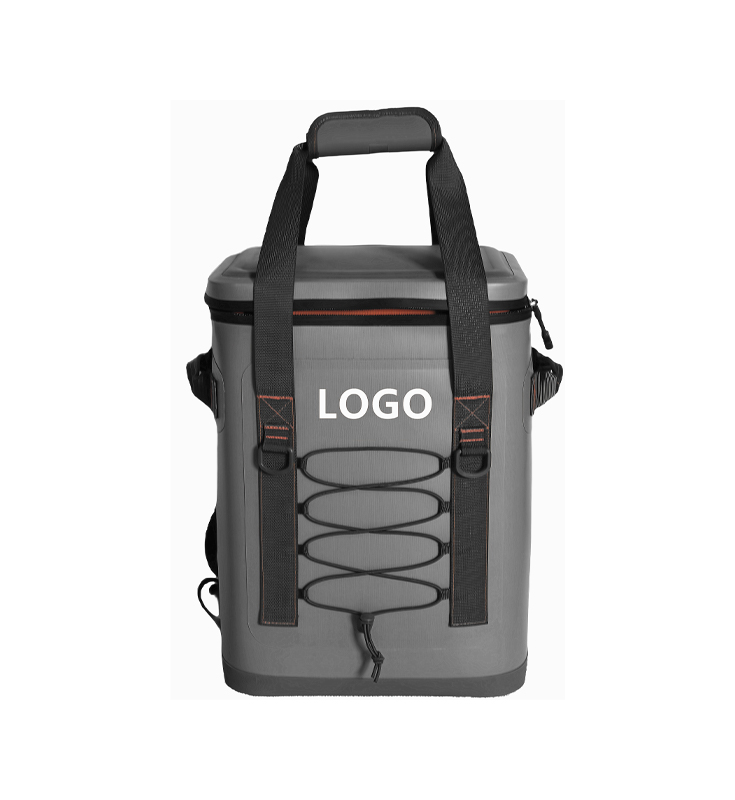
Backpack-style soft coolers distribute weight on both shoulders. A 15-liter model weighs under 2.5 lbs and holds enough cold food and drinks for a full day on trail.
Many soft coolers collapse flat and fit inside checked luggage or under airplane seats. Hard coolers cannot do either. TSA accepts soft coolers with ice packs if they are fully frozen at screening.
Weekly grocery runs with a soft cooler reduce plastic bag waste and protect perishables in hot car trunks. The fold-flat storage means it lives in the car without taking up space between uses.
A well-made TPU portable soft cooler works effectively, does not leak when built with welded seams and a quality zipper, and cleans easily with soap, warm water, and thorough air drying. The key is choosing a model that actually uses a thick TPU liner rather than cheaper alternatives — and then following the simple maintenance steps that keep it performing trip after trip.
For anyone who moves frequently, travels, hikes, or simply wants a cooler that stores flat in a closet, a premium soft cooler is not a compromise — it is the smarter choice.
Your email address will not be published. Required fields are marked *
* Your email is safe with us, we don't spam.

Professional R & D and manufacturing of outdoor sports, cycling, fishing, business, travelling sewing, high-frequency stamping series of luggage enterprises
E-mail: christine@fudabags.com
Phone: +86-13819351116
Add: No.2288 Xinggong Road, Pinghu City, Jiaxing City, Zhejiang Province, China
Copyright © 2025 by New Fuda Luggages & Bags Co., Ltd. Rights Reserved. Privacy Custom Durable Outdoor Travel Bag Manufacturers


 English
 Français
 Español