


Get A Quote

Content
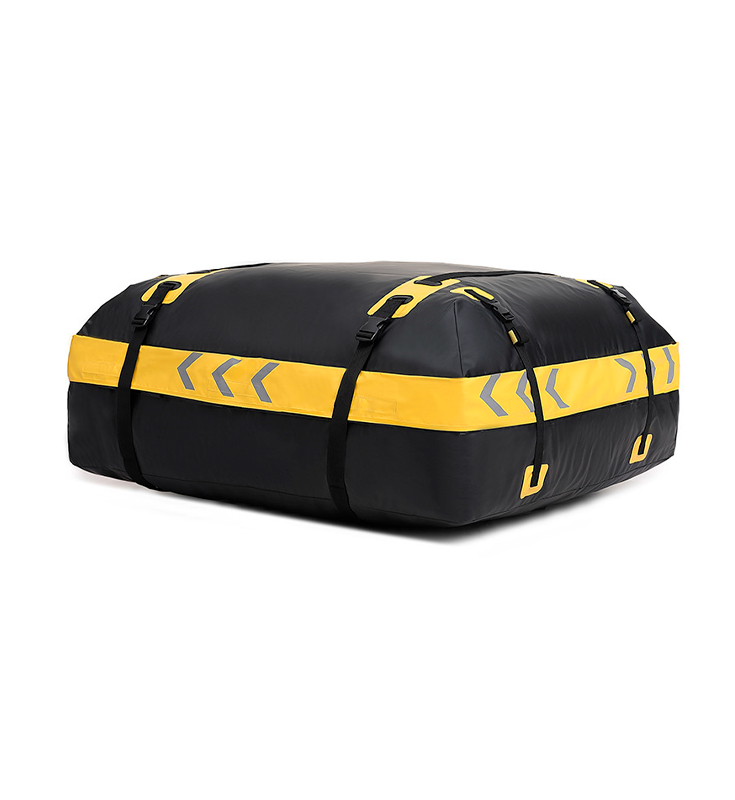
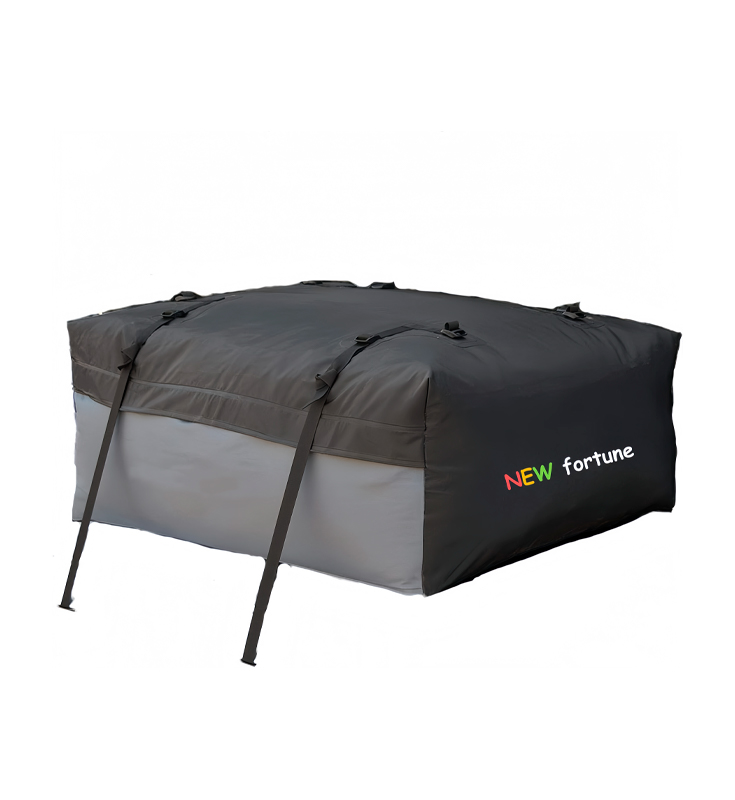
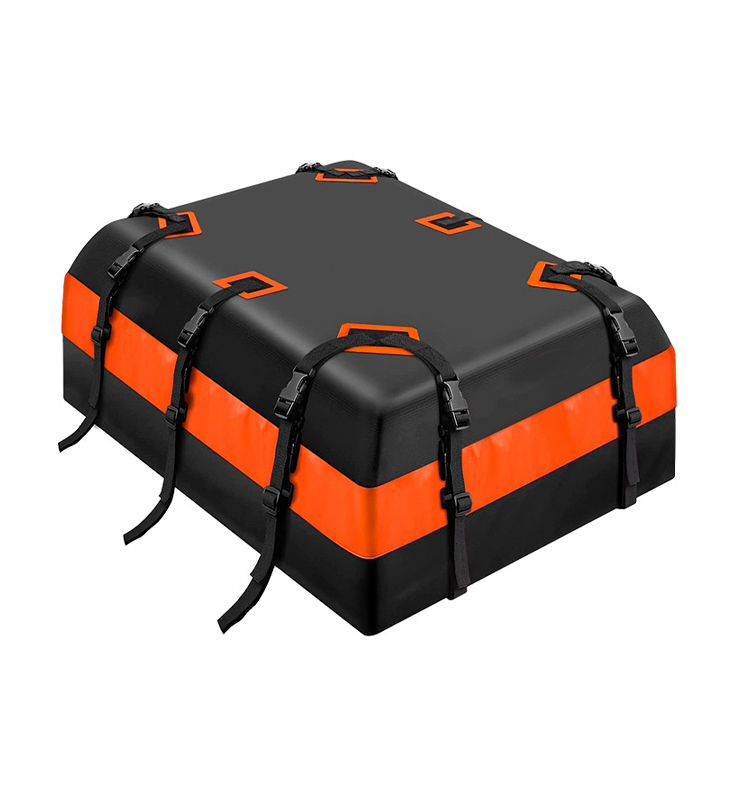
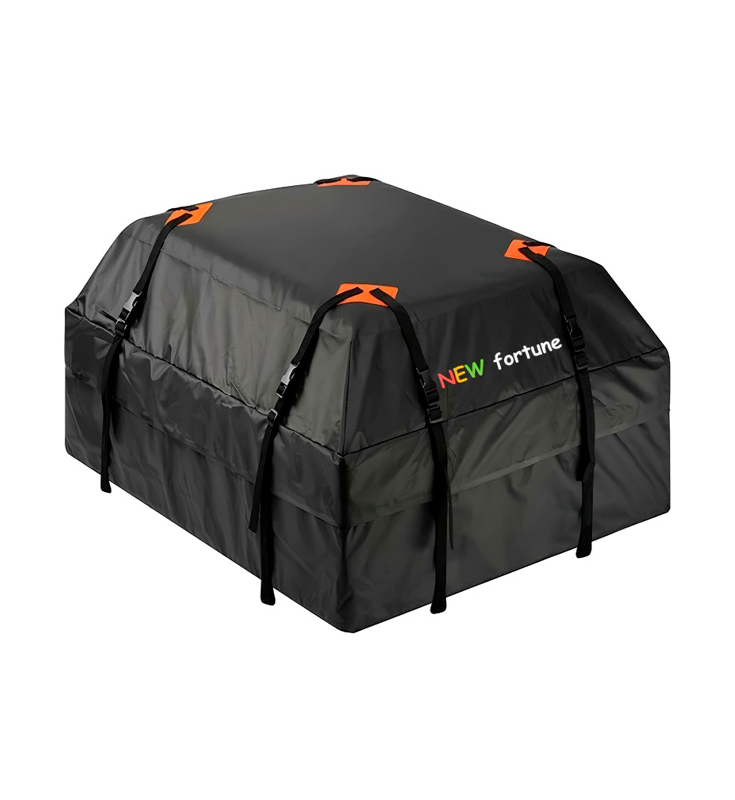
A Car Roof Storage Bag is the most practical, rack-free solution for expanding your vehicle's cargo space on road trips — capable of adding 10 to 22 cubic feet of storage without permanent hardware. Choose based on waterproofing rating, load capacity, strap system, and compatibility with your vehicle's roof type for safe, reliable performance.
Hard-shell rooftop cargo boxes can cost $300–$700 and require a crossbar system to mount. Trailer hitches demand towing capacity and a dedicated hitch receiver. A roof storage bag sidesteps all of that — most quality models retail between $40 and $150, attach directly to the roof using door-frame straps, and fold flat into a bag when not in use.
The trade-offs are real: a fabric bag is not as aerodynamically efficient as a hard shell, and premium waterproofing requires careful zipper maintenance. But for occasional use — family vacations, ski weekends, moving days — the value equation is overwhelmingly in the bag's favor.
Key advantages at a glance:
Sizing a roof bag comes down to matching cubic footage to your actual gear, not just buying the largest option. Oversized bags on compact cars create excessive drag and stress on the mounting straps.
| Bag Size | Capacity | Best For | Typical Dimensions (L x W x H) |
|---|---|---|---|
| Small | 10–12 cu ft | Weekend trips, 1–2 people | 44 x 34 x 17 in |
| Medium | 13–15 cu ft | 3–4 day trips, small families | 50 x 35 x 17 in |
| Large | 15–18 cu ft | Family vacations, ski gear | 58 x 36 x 18 in |
| XL | 18–22 cu ft | Extended trips, bulky camping gear | 62 x 38 x 20 in |
Always verify your vehicle's roof load rating — most passenger cars allow 100–165 lbs dynamic load (weight while driving). For example, a 2023 Toyota RAV4 has a dynamic roof load limit of 165 lbs. A packed XL bag with winter gear can easily reach 60–80 lbs, still well within limits, but worth tracking.
Marketing language around waterproofing varies wildly. "Water-resistant" and "waterproof" are not the same thing, and the zipper is nearly always the weakest point regardless of fabric rating.
Look for 600D Oxford polyester or 1680D ballistic nylon with a PVC or TPU coating. A hydrostatic head rating of 1,500mm or higher means the fabric can withstand sustained rainfall without leaking. Premium bags like the RoofBag Explorer use a 1,800mm-rated 600D PVC tarpaulin — independent tests show it handled a simulated 8-hour downpour without interior moisture penetration.
YKK zippers with a rubber gasket seal are the industry benchmark. Non-sealed coil zippers — found on budget models under $50 — allow water ingress at highway speeds combined with rain. If your bag lacks a sealed zipper, a waterproof zipper lubricant (such as Gear Aid Zipper Lubricant) applied before each trip significantly reduces leakage risk.
Taped or heat-welded seams prevent water wicking through stitch holes. Untaped seams are the most common failure point on mid-range bags. Run your hand along seams after a garden hose test to verify before a long trip.
The strap system is the most safety-critical component of any roof bag. An improperly secured bag at highway speed can shift, damage paint, obstruct visibility, or in worst cases, become a road hazard.
Most roof bags use 4–8 straps that thread through door gaps and buckle inside the car. Eight-strap systems distribute load more evenly and reduce shifting during cornering or emergency braking. Four-strap systems are adequate for lighter loads (under 40 lbs) but less secure for fully loaded bags.
A quality non-slip mat between the bag and roof surface reduces lateral movement by up to 60% in controlled tests. Most premium bags include one; budget bags often do not. A $10 aftermarket non-slip mat is a worthwhile addition to any roof bag setup.
If your vehicle has crossbars or side rails, use them. Many roof bags include supplementary loops or attachment points designed to secure to rack bars, providing a dual-layer retention system. This is particularly important above 65 mph, where aerodynamic lift forces on the bag increase significantly.
| Strap Count | Recommended Max Load | Speed Suitability | Notes |
|---|---|---|---|
| 4 straps | Up to 40 lbs | Up to 65 mph | Suitable for light weekend gear |
| 6 straps | Up to 65 lbs | Up to 75 mph | Good balance of security and ease |
| 8 straps | Up to 100 lbs | Highway rated | Recommended for heavy or long trips |
Packing technique directly affects both safety and fuel economy. A poorly loaded roof bag raises your vehicle's center of gravity and increases aerodynamic drag more than necessary.
Place the heaviest items (sleeping bags, clothing bundles, shoe bags) flat on the bottom of the bag, centered over the roof. Keep lighter, bulkier items on top. Avoid putting all weight toward the front or rear — uneven distribution increases strap stress at one anchor point and can cause the bag to shift on sudden braking.
Road vibration at highway speeds is considerable. Wrap any fragile contents (camera gear, glassware) in clothing before placing inside the bag. A roof bag does not provide the same vibration dampening as interior storage.
A filled 15 cu ft roof bag adds measurable aerodynamic drag. Independent testing by automotive publications has shown a 3–7% reduction in fuel economy when using a soft roof bag at highway speeds, compared to 6–12% for a hard-shell cargo box. Minimizing bag height (don't overfill) and keeping the bag profile as flat as possible reduces this impact.
Most roof bags are marketed as "universal fit," but there are real compatibility variables to check before purchase.
Vehicles with pronounced roof curves (some coupes and sports cars) create gaps under a flat-bottomed bag, reducing contact area for the non-slip mat and shifting load to the edge straps. A bag with a flexible base conforms better to curved surfaces. Boxy roof profiles on SUVs and minivans provide ideal contact area for any roof bag design.
Panoramic sunroofs present a challenge: straps cannot pass through the sunroof gap, and the glass cannot support significant point load. For vehicles with a large panoramic roof, only roof-rack-mounted bags (using crossbars) are appropriate. Check your vehicle's panoramic roof load rating — many specify zero load on the glass panel itself.
Shark-fin antennas, roof rails, and sunroof panels affect where and how the bag sits. Measure your usable flat roof surface before comparing bag dimensions. Most mid-size SUVs offer 48–54 inches of usable length; compact sedans may offer only 38–44 inches.
A well-maintained roof bag can last 5–8 seasons. Neglected bags typically degrade within 2–3 years due to UV exposure, zipper corrosion, and PVC cracking.
Your email address will not be published. Required fields are marked *
* Your email is safe with us, we don't spam.

Professional R & D and manufacturing of outdoor sports, cycling, fishing, business, travelling sewing, high-frequency stamping series of luggage enterprises
E-mail: christine@fudabags.com
Phone: +86-13819351116
Add: No.2288 Xinggong Road, Pinghu City, Jiaxing City, Zhejiang Province, China
Copyright © 2025 by New Fuda Luggages & Bags Co., Ltd. Rights Reserved. Privacy Custom Durable Outdoor Travel Bag Manufacturers


 English
 Français
 Español