


Get A Quote

Content
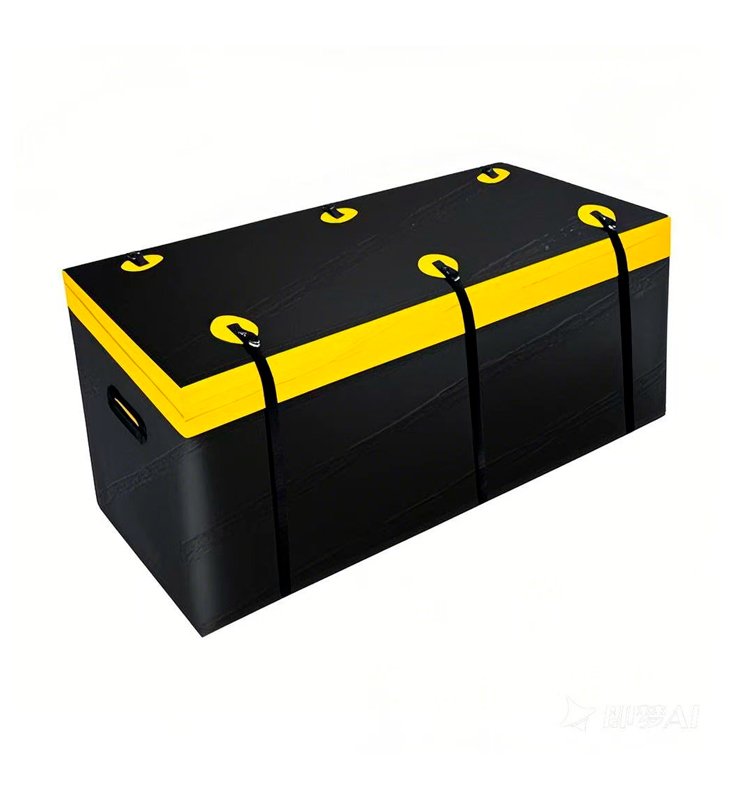
Adventure travel separates dreamers from planners—and storage capacity determines which category you occupy. Cramped interiors force impossible choices: leave camping gear behind, sacrifice passenger comfort, or overload suspension systems. Rooftop cargo carrier bags eliminate this equation. Soft-shell design adds 15–24 cubic feet of weather-protected capacity without permanent vehicle modification. Waterproof fabrics withstand 100+ mph wind exposure, rain, dust, and extreme UV. Lightweight construction (8–15 lbs empty) maintains aerodynamic efficiency and fuel economy. For families, overlanders, and expedition planners, rooftop cargo becomes the margin between comfortable adventure and logistical nightmare. This guide explores capacity planning, material performance, installation protocols, and real-world deployment strategies that transform vehicle storage from limitation into advantage.
A 5-passenger SUV interior = 80–110 cubic feet usable cargo volume (after rear seats folded). Typical family camping trip requires: tent (3–4 cf), sleeping bags (2–3 cf), coolers (2–3 cf), camping furniture (2–3 cf), clothing/personal (3–4 cf), tools/miscellaneous (2–3 cf) = 14–20+ cubic feet minimum. That leaves 60–96 cf for passengers, food, water, electronics, and fuel. Add a second family or extended trip? Interior space evaporates. Rooftop cargo carrier bags inject 15–24 cf of dedicated equipment space, keeping interiors livable and supplies organized. This cargo positioning also improves vehicle weight distribution and ride quality.
Tent (3–4 cf) • Sleeping bags (2–3 cf) • Camp furniture (2–3 cf) • Coolers (1–2 cf) • Lantern/lights (0.5 cf)
Fits in 15–20 cf bag (core camping gear)
Luggage/suitcases (6–8 cf) • Kids' gear (2–3 cf) • Travel entertainment (1–2 cf) • Extra clothing (2–3 cf) • Snacks/supplies (1–2 cf)
Fits in 15–20 cf bag (comfort accessories)
Tents (3–5 cf) • Sleeping systems (3–4 cf) • Recovery gear (2–3 cf) • Extended tools (2–3 cf) • Water/spare parts (2–3 cf)
Fits in 20–24 cf bag (heavy-duty expeditions)
Wetsuits (1–2 cf) • Towels (1–2 cf) • Beach chairs (2 cf) • Cooler (1–2 cf) • Dry bags (1–2 cf)
Fits in 10–15 cf bag (water-resistant design)
Ski equipment (3–4 cf) • Boots/bindings (1–2 cf) • Winter clothing (2–3 cf) • Accessories (1–2 cf) • Boot dryer (1–2 cf)
Fits in 15–20 cf bag (weather-sealed)
All-season clothing (4–5 cf) • Camping + hotel items (3–4 cf) • Camera/electronics (1–2 cf) • Extra luggage (2–3 cf) • Contingency (2–3 cf)
Fits in 20–24 cf bag (dedicated roof storage)
Compatible Systems: Universal cross-bar racks, side rails, factory roof racks
Fastening Method: Heavy-duty straps with carabiners or ratchet systems (4–6 point attachment)
Load Limit Verification: Check vehicle roof capacity (typically 75–150 lbs) and distribute evenly
Aerodynamic Impact: Premium cargo bags are streamlined; expected fuel economy loss: 5–8%
Method: Heavy-duty suction cups or adhesive anchor pads (premium bags only)
Advantages: No rack installation; works with factory roofs
Limitations: Lower speed ratings (max 65 mph); periodic reattachment required
Not Recommended: Extended highway travel or windy routes
Compatible: Vehicles with OEM or aftermarket side rails
Advantage: Flexible positioning; can offset from centerline for better visibility
Load Distribution: Requires balanced packing to prevent side-lean effect
Speed Rating: 70+ mph (lower cross-sectional profile reduces wind resistance)
Alternative Method: Rear-mounted if roof space unavailable
Advantages: Lower wind resistance; easier loading at ground level
Disadvantages: Reduces rear overhang clearance; higher vehicle rear-end stress
Best For: Backup solution or dual-carrier setup (roof + hitch)
Premium bags with proper installation cause zero damage. Key requirements: (1) use roof racks or proper attachment points (never affix directly to painted roof without adhesive protection pads), (2) distribute weight evenly across 4–6 fastening points, (3) inspect mounting points monthly for corrosion or loosening. Roof scratching or paint wear occurs only from improper attachment or abrasive straps. Quality bags include felt-lined contact surfaces preventing friction damage.
Aerodynamic drag increases with rooftop load. Expected fuel economy impact: 5–8% loss on highway driving at 55–70 mph; negligible impact at city speeds (<45 mph). Impact factors: bag shape (streamlined vs boxy), weight distribution, vehicle height, driving style. Premium bags with tapered designs minimize drag. Actual impact varies; track fuel consumption before and after installation for precise measurement.
Yes, with proper material selection. Premium PVC bags with sealed seams and waterproof zippers provide excellent weather resistance. Standard polyester bags offer acceptable protection in moderate rain but may leak under intense downpour (50+ mm/hr). Snow loading considerations: bags hold snow weight only if rafters/roof rated for it (check vehicle specs). For frequent heavy-weather exposure, specify premium UV/weather-rated materials and inspect seams annually.
Premium bags are rated for 75–85 mph highway speeds when properly fastened. Maximum safe speed depends on: (1) attachment system security, (2) bag weight distribution, (3) wind conditions, (4) road surface quality. Suction-cup attachment is rated only to 65 mph. Heavy wind (sustained 40+ mph gusts) can shift loads even on properly secured bags—reduce speed to 55 mph in windy conditions. Check manufacturer specifications; they vary significantly by model and material.
Roof racks are strongly preferred. Advantages: (1) distribute weight across structural members, not isolated roof points, (2) allow secure strapping and fastening, (3) protect vehicle roof from potential scratching/damage, (4) enable higher speed ratings (75+ mph vs 65 mph for suction cups). Direct adhesive attachment works as emergency backup for weekend trips only. For extended travel or repeated use, invest in quality roof racks to protect both the bag and vehicle.
Your email address will not be published. Required fields are marked *

* Your email is safe with us, we don't spam.

Professional R & D and manufacturing of outdoor sports, cycling, fishing, business, travelling sewing, high-frequency stamping series of luggage enterprises
E-mail: christine@fudabags.com
Phone: +86-13819351116
Add: No.2288 Xinggong Road, Pinghu City, Jiaxing City, Zhejiang Province, China
Copyright © 2025 by New Fuda Luggages & Bags Co., Ltd. Rights Reserved. Privacy Custom Durable Outdoor Travel Bag Manufacturers


 English
 Français
 Español