English
 Français
 Español
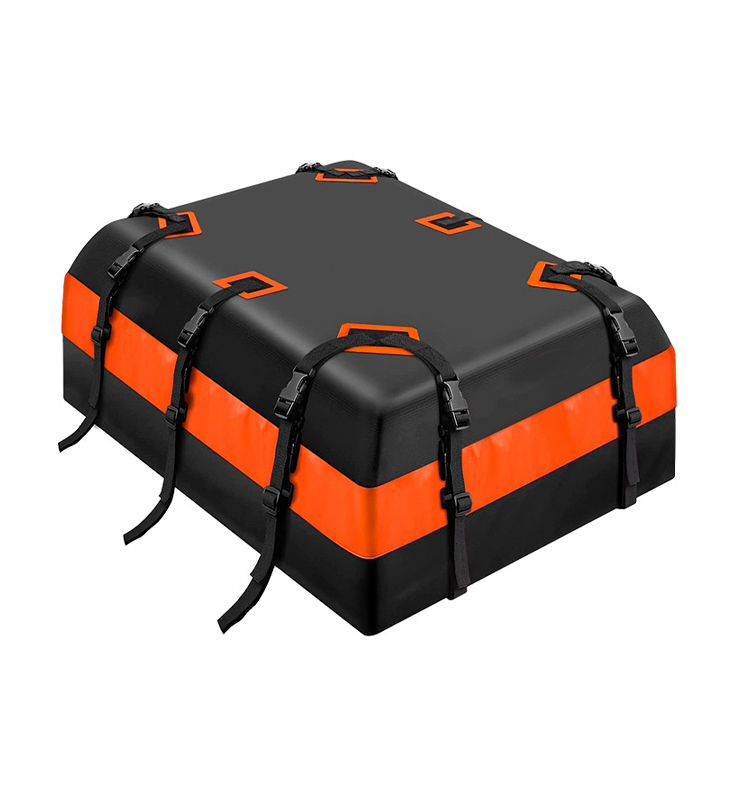
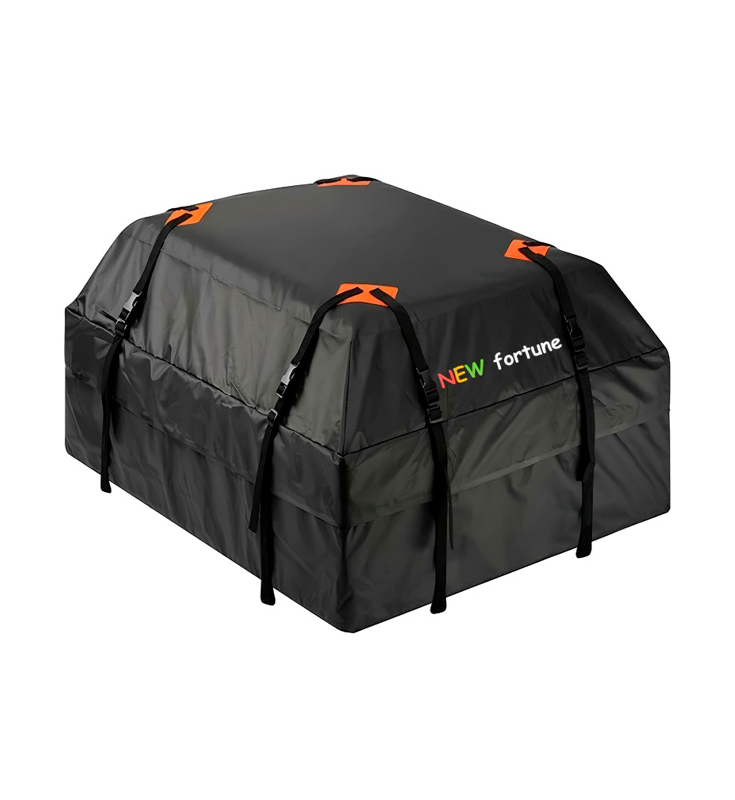
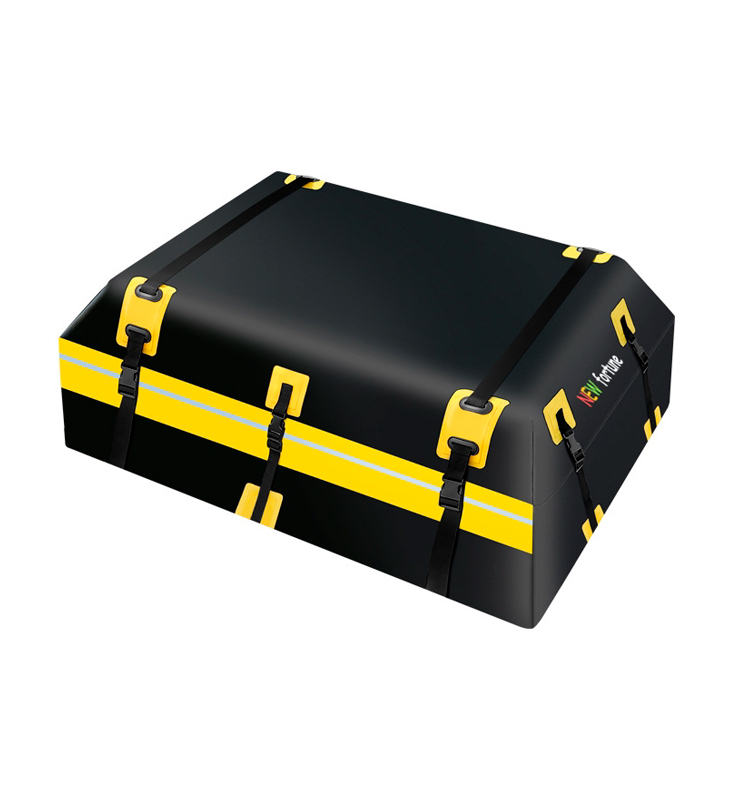
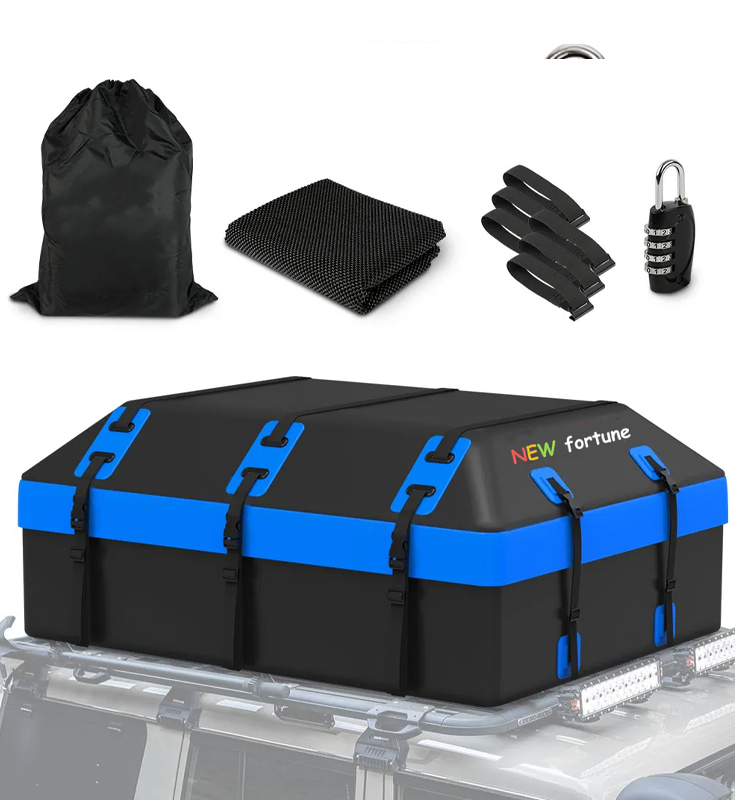
Car roof bags are genuinely good for occasional or seasonal use — they add 10–20 cubic feet of cargo space without the cost or permanence of a hard roof box. They are safe when correctly loaded and secured, they do not inherently scratch your roof, and attaching one takes under 15 minutes with no tools. The key conditions for good performance are buying a bag rated for your speed range, using a protective mat between the bag and roof, and loading no more than the manufacturer's stated weight limit (typically 100–165 lb / 45–75 kg).
Are Car Roof Bags Any Good?
For most drivers who need extra cargo space a few times a year — family road trips, ski weekends, camping runs — a roof cargo bag is an excellent solution. They cost between $40 and $180 for a quality product, compared to $300–$1,200 for a hard plastic roof box, and they fold flat for storage in a garage cupboard when not in use. A hard box requires permanent or semi-permanent rack mounting hardware and its own dedicated storage space.
That said, roof bags are not the right tool for every situation. Here is an honest breakdown:
Car roof bag strengths and limitations at a glance| Factor | Roof Bag Performance | Verdict |
|---|---|---|
| Cost | $40–$180 (vs. $300–$1,200 for hard box) | Strong advantage |
| Storage when not in use | Folds to roughly the size of a sleeping bag | Strong advantage |
| Weather resistance | Good (600D–1680D PVC or TPU-coated nylon); not fully submersion-proof | Adequate for rain; use dry bags inside for valuables |
| Security against theft | Zipper locks available; fabric can be cut | Inferior to hard box; not suitable for high-value items |
| Aerodynamic drag | Higher profile than hard box at same volume; 3–8% fuel increase typical | Moderate disadvantage vs. hard box; remove when not needed |
| Capacity | 10–20 cu ft (280–566 litres); comparable to entry hard boxes | Adequate for most family trips |
| Speed rating | Most rated to 80–100 mph (130–160 km/h) | Suitable for motorway use; check product spec |
| Works without roof rack | Yes — straps pass through car doors | Major advantage over hard boxes requiring crossbars |
When a Roof Bag Makes Sense
- You need extra cargo space only 3–10 times per year and cannot justify a $600+ hard box plus rack hardware
- Your car has no existing roof rack and you do not want to install one
- You are carrying bulky but lightweight items — sleeping bags, duvets, clothing, camping gear — that are not sensitive to moisture or theft
- You rent different vehicles and need a cargo solution that works across car models
When a Roof Bag Is the Wrong Choice
- You carry expensive sports equipment (bikes, skis, kayaks) that needs rigid protection
- Security is a priority — fabric bags can be unzipped or cut at a motorway service station in minutes
- You drive primarily at sustained speeds above 80 mph (130 km/h) — bag stability and noise worsen noticeably above this
- You need to access cargo frequently en route; unloading a roof bag is slower than opening a hard box lid
How to Attach a Roof Bag to a Car
Most roof cargo bags use one of two attachment methods depending on whether your car has a roof rack. Both methods are straightforward and take 10–15 minutes once you have done it once.
Method 1: Strap-Through-Door (No Rack Required)
This is the most common method for soft roof bags and works on virtually any car with a standard door frame. The bag includes 4–8 nylon or polyester straps with cam buckles or ratchet mechanisms.
- Step 1 — Lay the protective mat: Place the non-slip foam or rubber mat (included with most bags, or purchased separately for about $15–$25) flat on the roof. This is non-negotiable — skip this and the bag's base will abrade the paint within one trip.
- Step 2 — Position the loaded bag: Centre the bag on the mat with the zipper facing the rear or side for easiest loading access. Load the bag before placing it on the roof — it is much easier to zip and arrange contents at ground level.
- Step 3 — Route the straps: Feed each strap down through the top of the door gap, then close the door on the strap. The door seal compresses around the strap without damage. Two straps typically go through the front doors, two through the rear doors.
- Step 4 — Tighten evenly: Pull each strap snug with the cam buckle, working in a cross pattern (front-left, rear-right, front-right, rear-left) to keep the bag centred. Straps should be taut — approximately 15–20 lb of hand tension — not slack, and not overtightened to the point of distorting the bag.
- Step 5 — Tuck excess strap: Wrap excess strap length around the buckle or secure with the rubber holders supplied. Loose strap ends flap at motorway speeds and can cause a loud, distracting noise.
- Step 6 — Perform a pull test: Before driving, grasp each corner of the bag and tug firmly. No corner should shift more than 2–3 cm. If it does, re-tighten the corresponding strap.
Method 2: Attaching to Existing Roof Rack or Crossbars
If your car already has crossbars or a roof rack, most cargo bags include secondary tie-down loops or D-rings on the base that attach directly to the rack with additional straps or bungee hooks. This method provides better stability at high speed and reduces reliance on door-frame tension. When using crossbars:
- Position the bag so at least two crossbars run beneath it for load distribution
- Use the rack attachment straps in addition to (not instead of) door straps on smooth-rail racks with no locking points
- Check that rack straps are rated for the load — use straps rated to at least 300 lb (136 kg) breaking strength for a fully loaded bag
Pre-Drive Checklist
- All cam buckles or ratchets are fully engaged and locked
- Zipper is fully closed and the zip guard flap is folded over
- No straps are running over door glass or window seals in a way that prevents the window from opening
- Bag does not obstruct the driver's rearward visibility in the mirror (if it does, reposition or use a taller mirror)
- Re-check strap tightness after the first 10–15 minutes of driving — straps often loosen slightly as the bag settles
Are Roof Cargo Bags Safe?
Yes — roof cargo bags are safe when used within their design parameters. The primary safety risks come from overloading, excess speed, improper attachment, and shifting loads, all of which are avoidable. There are no credible mass-market safety recalls or widespread documented failures of correctly used roof bags from reputable manufacturers.
Weight Limits and Centre of Gravity
The weight limit of a roof bag is almost always lower than the roof load limit of the car. A bag rated to 165 lb (75 kg) sounds generous, but most passenger car roof load limits are 100–165 lb (45–75 kg) as stated in the owner's manual — and this limit covers the combined weight of any rack hardware plus the bag plus its contents. Always check your car's roof load limit first. Common examples:
- Toyota RAV4 (2019–present): 165 lb (75 kg) dynamic roof load limit
- Ford Focus (2012–2018): 100 lb (45 kg) dynamic roof load limit
- VW Golf Mk7: 100 lb (45 kg) dynamic roof load limit
- Honda CR-V (2017–present): 165 lb (75 kg) dynamic roof load limit
Exceeding the roof load limit raises the vehicle's centre of gravity, increases body roll in corners, and extends braking distances. In real-world terms, a 75 kg load on the roof of a compact car increases the roll centre height by approximately 8–12 cm — a measurable handling change, particularly on emergency avoidance manoeuvres.
Speed and Aerodynamic Stability
Roof bag stability is directly speed-dependent. At 60 mph (97 km/h), aerodynamic lift and drag forces on a loaded 15 cu ft bag are modest. At 80 mph (130 km/h), those forces are approximately 78% higher (drag scales with the square of speed). Most reputable bags — including the RoofBag Explorer, SportRack Cargo, and Rightline Gear Sport — are rated to 80–100 mph and have been road-tested at those speeds. The practical safety rule: stay within the bag's rated speed, and if the bag develops any movement, flutter, or noise change, reduce speed and re-check the straps at the next safe stop.
Load Distribution Inside the Bag
How you pack the bag matters as much as how you strap it down. Correct packing technique:
- Place the heaviest items (toolbox, water containers, cooler) flat on the bag floor, centred left-to-right and positioned toward the middle of the roof rather than the leading or trailing edge
- Fill gaps between hard items with soft goods (clothing, sleeping bags) to prevent items shifting during acceleration and braking
- Do not place hard-edged items directly against the bag wall — pad them to avoid wear-through and to protect the bag fabric from internal abrasion
- Keep the load as low as possible within the bag; avoid overfilling to the point the bag is domed, which increases wind resistance and stress on the straps
What Happens If a Strap Fails at Speed?
A single strap failure on a correctly attached 4-strap setup does not typically result in immediate loss of the bag, because the remaining three straps hold. This is why using all supplied straps — not a reduced number for convenience — is essential. If two or more straps fail simultaneously (usually due to abrasion damage from previous trips) the bag can shift, lift at the leading edge, and in extreme cases detach. Inspect every strap and buckle for fraying, cracking, or bent buckle prongs before each trip.
Do Cargo Bags Scratch Your Roof?
A cargo bag placed directly on a bare car roof will scratch the paint over time — this is the most consistent complaint in user reviews across Amazon, REI, and automotive forums. The good news is that scratching is almost entirely preventable with one simple step: always use a protective mat between the bag and the roof.
Why Scratching Occurs Without Protection
Three mechanisms cause paint damage:
- Direct abrasion: The bag base fabric (typically 600D polyester or PVC-coated nylon) is coarser than automotive clear coat. At highway speeds, vibration causes micro-movements between the bag and roof — even a well-tensioned bag moves fractions of a millimetre continuously — and each movement removes a microscopic layer of clear coat. After a single 300-mile trip, light surface marring is common. After several seasons, paint transfer and primer exposure have been documented.
- Grit entrapment: Road grit and dust settle on the roof before the bag is placed. If the bag is positioned on top of grit particles, those particles act like sandpaper between the bag and the paint surface. Even a short trip is enough to cause visible scratching if grit is present.
- Strap chafe: Door-mounted straps can vibrate against the car's door seal, door frame edge, and the painted surface of the roof edge. Over multiple trips, this creates visible wear marks at the strap contact points.
How to Prevent Roof Scratches Completely
- Use the included mat, or buy a dedicated one: The foam or rubber mat supplied with most bags (or sold separately for $15–$30) creates a soft, non-abrasive buffer. Products like the RoofBag Non-Slip Mat or Rightline Gear Roof Pad use closed-cell foam bonded to a non-slip rubber base — effective and durable.
- Wash the roof before attaching the bag: A quick rinse and wipe removes grit that would otherwise be trapped between the mat and the paint. Takes two minutes and prevents most grit-related scratching.
- Apply a paint protection film (PPF) or wax to the contact zone: If you use a roof bag regularly, a strip of clear PPF on the roof centre and edges costs $30–$60 at most detailing shops and provides permanent protection.
- Protect strap contact points: Where door straps cross painted surfaces or door seals, wrap the strap in foam pipe insulation or use commercially available strap protectors. This prevents both paint damage and door seal compression over time.
- Remove the bag promptly after each trip: The longer a bag sits on the roof, the more opportunity for heat cycling, vibration from parked-car wind, and moisture to cause damage. A bag left on the roof for a week in summer sun can also degrade the adhesive of any surface film beneath it.
What to Do If Scratches Have Already Occurred
Light clear coat marring from a roof bag typically responds well to machine polishing with a finishing compound (such as Meguiar's Ultimate Compound) and a dual-action polisher. Deeper scratches that expose primer or bare metal require spot respray. Before assuming the worst, run your fingernail across the scratch — if the nail does not catch in the scratch, it is likely clear coat marring only and will polish out. If the nail catches, the scratch has penetrated to colour coat or below and requires professional attention.
Top Roof Cargo Bags Compared
Comparison of popular roof cargo bags by key specification| Product | Capacity | Weight Limit | Speed Rating | Waterproofing | Mat Included | Price (approx.) |
|---|---|---|---|---|---|---|
| RoofBag Explorer | 15 cu ft | 100 lb (45 kg) | 80 mph | PVC-coated 600D; water-resistant zipper | Yes | $80–$110 |
| Rightline Gear Sport 2 | 18 cu ft | 110 lb (50 kg) | 80 mph | 1680D ballistic nylon; sealed seams | Yes | $100–$140 |
| SportRack Cargo Bag XL | 16 cu ft | 100 lb (45 kg) | 75 mph | Ripstop nylon; coated base | No (sold separately) | $60–$85 |
| KEEPER Waterproof Roof Bag | 15 cu ft | 130 lb (59 kg) | 80 mph | TPU-coated 420D nylon; taped seams | Yes | $55–$75 |
| Thule Ranger 90 | 12 cu ft (340L) | 165 lb (75 kg) | 80 mph | DWR-treated nylon; sealed zip | No (Thule roof mat sold separately) | $150–$180 |
| SOGA Universal Roof Bag | 20 cu ft | 100 lb (45 kg) | 70 mph | PVC-coated polyester; roll-top closure | Yes | $40–$60 |