


Get A Quote

Content
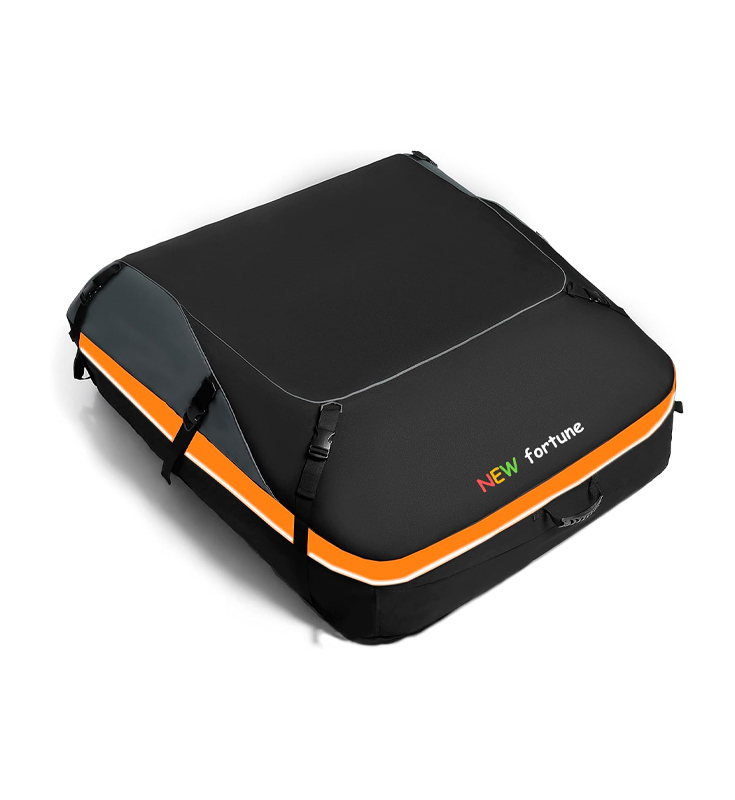
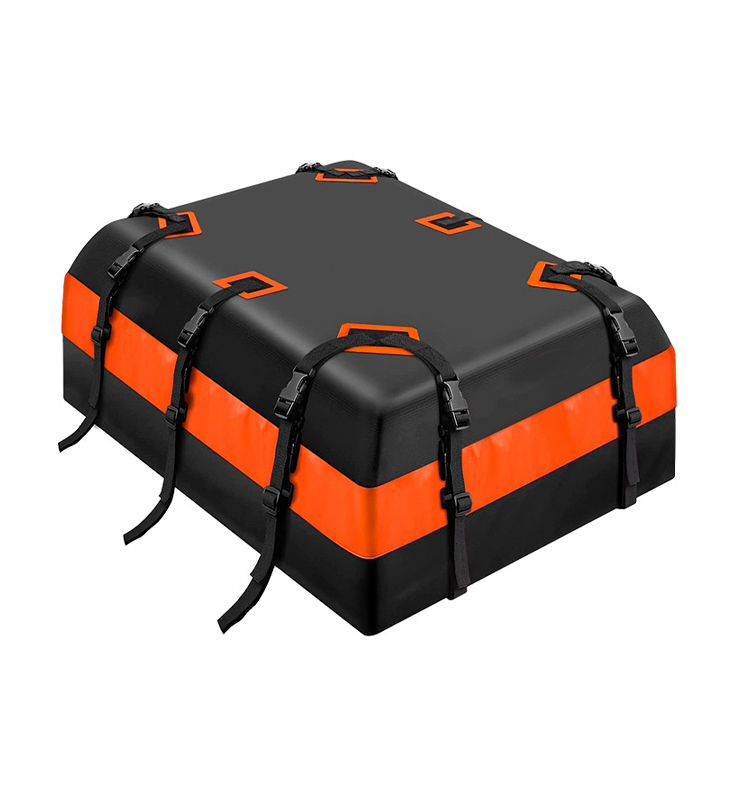
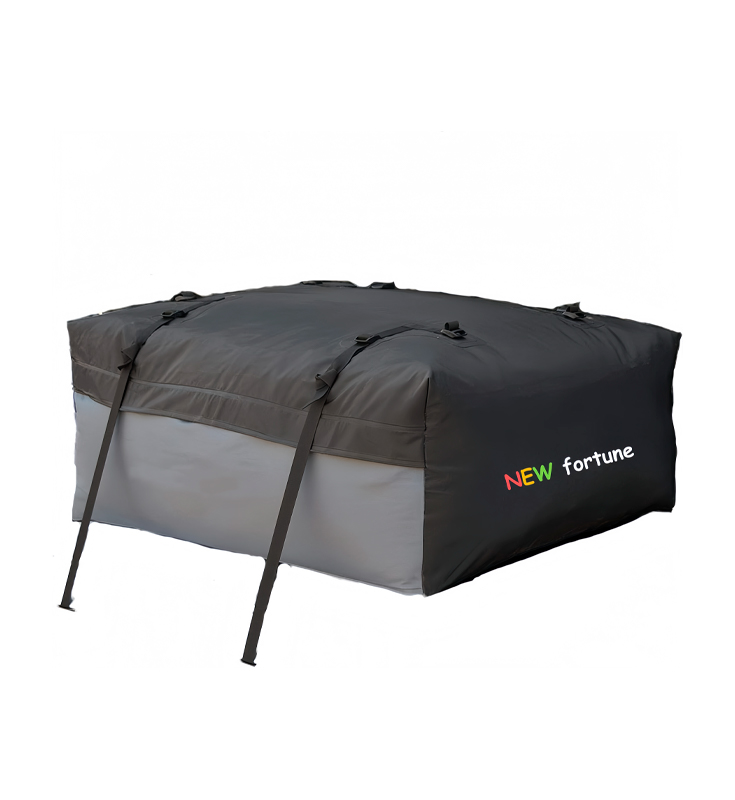
A car roof bag is safe for road travel when it is correctly secured, loaded within its rated capacity, and matched to your vehicle's roof load limit. Most roof cargo bags fail not because of product defect but because of improper strapping, overloading, or exceeding highway speeds — all preventable with a 10-minute pre-departure checklist. A quality rooftop cargo bag from brands like RoofBag, Rightline Gear, or Thule can carry 15 to 20 cubic feet of gear safely at speeds up to 80 mph when installed correctly.
Yes — rooftop cargo bags are safe when used as designed. The safety concern people encounter in practice is almost always one of three things: straps that were not tightened to the point of zero movement, loads that exceed either the bag's rated capacity or the vehicle's roof load limit, or bags that shift because the mat underneath was omitted or slipped.
Consider the physics: at 70 mph, aerodynamic drag on a 15-cubic-foot roof bag generates a rearward force of roughly 40 to 60 lbs depending on bag shape and vehicle profile. A bag secured with four straps each tensioned to 25 lbs holding force has 100 lbs of total retention — sufficient margin. The same bag secured with two loosely fastened straps has virtually no safety margin, and vibration will progressively loosen the connection over a 30-minute highway run.
The second risk is vehicle-side: every car, SUV, and crossover has a published dynamic roof load limit — typically 100 to 200 lbs for most passenger vehicles. This figure includes the weight of any rack system plus cargo. Exceeding it risks structural damage to the roof, degraded handling, and in extreme cases, roof deformation at highway speed. Check your owner's manual before loading.
| Failure Type | Root Cause | Prevention |
|---|---|---|
| Bag shifts at highway speed | Insufficient strap tension or too few attachment points | Use all provided straps; re-tension after 15 minutes of driving |
| Water intrusion | Zipper not fully closed or bag not rated for rain | Choose a bag with a waterproof-rated zipper; use a rain cover |
| Roof paint scratching | No non-slip mat between bag and roof | Always use the included mat; inspect it for debris before mounting |
| Strap wear or breakage | UV degradation of nylon webbing over multiple seasons | Inspect straps before each trip; replace if frayed or discoloured |
| Overloading and roof damage | Ignoring vehicle roof load rating | Check owner's manual; weigh cargo before loading |
| Bag opens in transit | Zipper pull snagged by wind or not double-checked | Run zipper fully around track and secure pull tab under a strap |
Many roof bags are specifically designed for rack-free installation, using door-frame straps that loop through the interior of the vehicle. This system is safe for low-to-moderate speed travel on the condition that the straps are routed cleanly and the bag does not exceed the manufacturer's no-rack weight limit — typically 100 to 130 lbs for bags marketed as rack-free compatible.
The practical trade-off of rack-free mounting is reduced lateral stability. Without hard attachment points at the roof rail or crossbar, the bag has more freedom to shift side-to-side under cornering loads. This is acceptable at 55 to 65 mph on straight highway driving but becomes a meaningful safety consideration on mountain switchbacks or during evasive manoeuvres at higher speeds. If your regular route involves sustained high-speed motorway driving or significant elevation change, investing in a crossbar system ($80 to $200) and using a rack-compatible bag eliminates this variable entirely.
| Factor | Rack-Free Bag | Rack-Mounted Bag |
|---|---|---|
| Installation time | 10 – 15 minutes | 5 – 10 minutes (once rack is fitted) |
| Vehicle compatibility | Nearly universal — fits most cars | Requires existing roof rails or crossbars |
| Lateral stability | Moderate — more movement under cornering | High — hard attachment points prevent shift |
| Max safe speed | 65 – 70 mph recommended | Up to 80 mph with quality rack |
| Roof paint risk | Higher — direct contact with mat only | Lower — rack provides standoff clearance |
| Typical price range | $50 – $180 | $80 – $350 (bag only, rack additional) |
Correct installation is the single most important factor in roof bag safety. The process takes 10 to 20 minutes the first time and 5 to 10 minutes on subsequent trips once you are familiar with the routing. Follow each step in sequence — skipping steps is where most installation errors originate.
Size, material, and compatibility with your specific vehicle all affect which roof bag delivers the best combination of capacity, safety, and longevity. The market divides clearly into three tiers.
| Specification | Minimum Recommended | Why It Matters |
|---|---|---|
| Volume | 13 – 16 cu ft for family of 4 | Under-sizing forces overloading; over-sizing increases drag |
| Material denier | 420D nylon or 600D polyester | Lower denier tears under strap tension at highway speed |
| Waterproof rating | IPX3 minimum; IPX4 for sustained rain | Unrated bags wet gear on any drive through rain |
| Strap count | 4 straps minimum | Fewer attachment points reduce retention force per strap |
| Weight capacity | 130 lbs minimum | Bags with lower ratings use lighter hardware that fatigues faster |
| Warranty | 2 years minimum | Indicator of manufacturer confidence in construction quality |
Your email address will not be published. Required fields are marked *
* Your email is safe with us, we don't spam.

Professional R & D and manufacturing of outdoor sports, cycling, fishing, business, travelling sewing, high-frequency stamping series of luggage enterprises
E-mail: christine@fudabags.com
Phone: +86-13819351116
Add: No.2288 Xinggong Road, Pinghu City, Jiaxing City, Zhejiang Province, China
Copyright © 2025 by New Fuda Luggages & Bags Co., Ltd. Rights Reserved. Privacy Custom Durable Outdoor Travel Bag Manufacturers


 English
 Français
 Español