


Get A Quote

Content
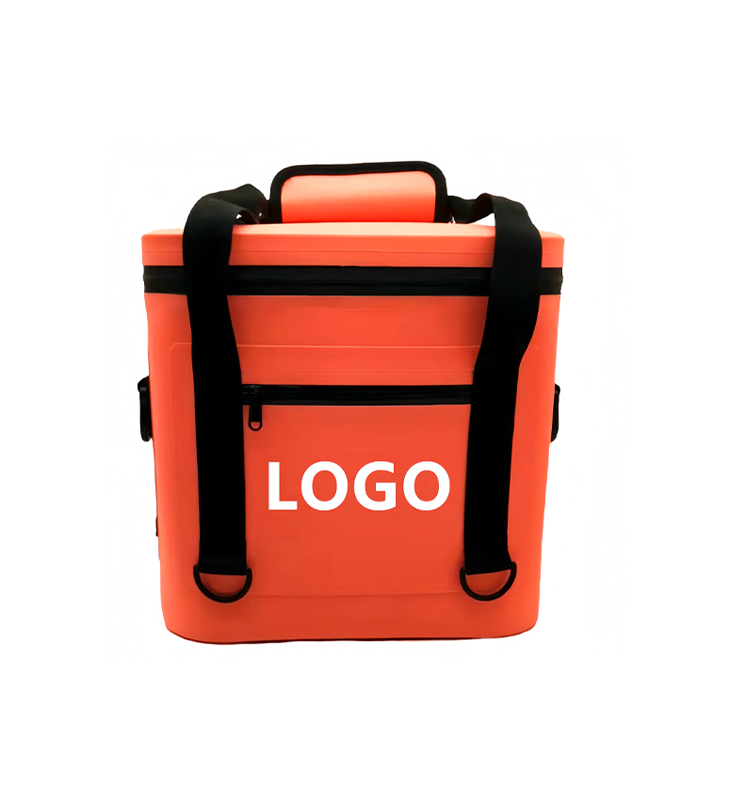
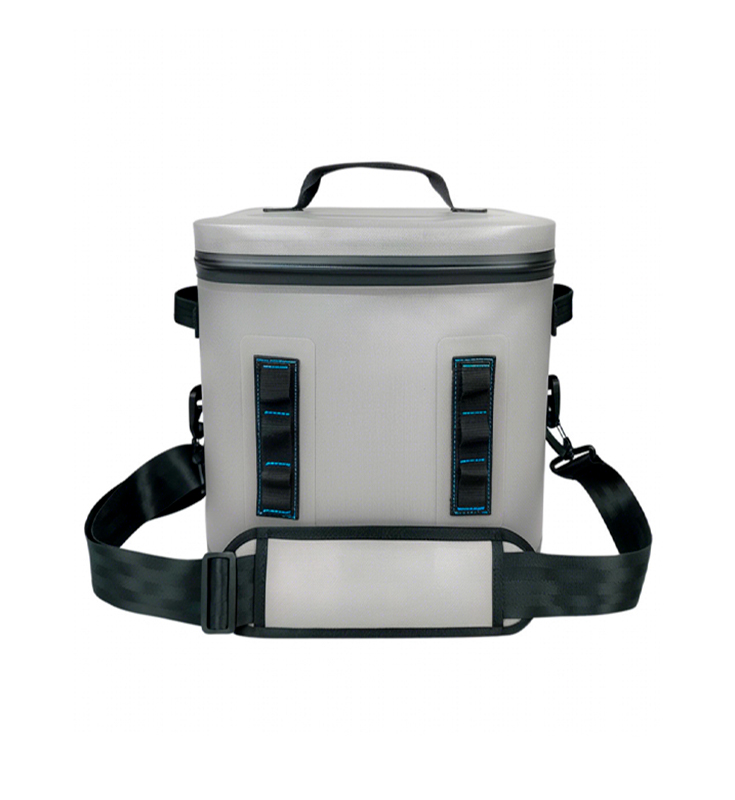
TPU (thermoplastic polyurethane) is a soft, flexible material — and a TPU portable soft cooler takes full advantage of that flexibility to deliver lightweight, packable insulation you can take anywhere. If you have ever wondered whether TPU is soft or hard, the short answer is: it is soft. TPU sits in the rubber-like elastomer family, not the rigid plastics family, which is exactly why it has become the preferred shell material for portable soft coolers designed for outdoor use.
TPU is classified as a thermoplastic elastomer, meaning it combines the elastic properties of rubber with the processing advantages of plastic. On the Shore hardness scale, most consumer-grade TPU films used in cooler bags rate between Shore A 70 and Shore A 95 — comfortably in the flexible, soft range. Compare that to rigid HDPE plastic, which rates above Shore D 60, and the difference is dramatic.
In practical terms, TPU material feels similar to a firm silicone or a dense rubber. It bends without cracking, returns to its original shape after compression, and resists tearing far better than standard PVC or nylon alone. This is why outdoor gear brands spec TPU for products that need to survive being stuffed into a backpack, strapped to a bike rack, or dropped on rocky ground.
| Material | Typical Hardness | Flexibility | Tear Resistance |
|---|---|---|---|
| TPU Film | Shore A 70–95 | High | Excellent |
| PVC | Shore A 50–90 | Medium | Moderate |
| HDPE (rigid) | Shore D 60–70 | Very Low | Good (impact) |
| Nylon 600D | N/A (fabric) | High | Good |
The softness of TPU is not just a tactile feature — it directly enables the engineering benefits that make a portable soft cooler outperform simpler fabric bags:
Not every soft cooler uses TPU. Understanding the difference helps you make a smarter purchase decision:
PVC is cheaper to produce and widely used in budget cooler bags. However, PVC contains phthalate plasticizers, which raise environmental and health concerns. PVC also cracks in cold temperatures and adds noticeable weight per square meter of fabric. TPU costs roughly 15–25% more at the material level but delivers superior longevity, cold flexibility, and a cleaner environmental profile.
Some soft coolers use an EVA (ethylene-vinyl acetate) foam interior rather than a TPU laminate shell. EVA foam is good at insulation but absorbs odors and moisture over time. TPU laminates are non-porous by nature, so they wipe clean in seconds and do not harbor bacteria or mildew.
Plain ripstop nylon is lightweight but has no inherent water resistance. A TPU laminate bonded to ripstop nylon delivers the best of both: the structural strength of woven fabric plus the waterproof, flexible barrier of TPU. This sandwich construction is the standard in premium TPU portable soft cooler designs.
Knowing that TPU is the right material is just the start. These construction details separate a good soft cooler from a great one:
Hard coolers have their place for multi-day base camps, but a TPU soft cooler wins in the following scenarios:
The material handles the engineering — your habits determine the performance. Pre-chill the cooler with a sacrificial bag of ice for 30 minutes before loading it with food and drinks. Cold insulation holds cold far longer than warm insulation trying to catch up. Use block ice or reusable hard-shell ice packs instead of loose cubed ice; block ice melts at roughly half the rate of equivalent-weight cubed ice in the same insulated space. Keep the cooler out of direct sun: a shaded soft cooler at 35°C ambient will retain ice approximately 40% longer than one sitting in direct sunlight under the same conditions. Finally, minimize lid openings — each opening introduces warm air that displaces the cold air cushion above the contents.
Your email address will not be published. Required fields are marked *
* Your email is safe with us, we don't spam.

Professional R & D and manufacturing of outdoor sports, cycling, fishing, business, travelling sewing, high-frequency stamping series of luggage enterprises
E-mail: christine@fudabags.com
Phone: +86-13819351116
Add: No.2288 Xinggong Road, Pinghu City, Jiaxing City, Zhejiang Province, China
Copyright © 2025 by New Fuda Luggages & Bags Co., Ltd. Rights Reserved. Privacy Custom Durable Outdoor Travel Bag Manufacturers


 English
 Français
 Español